Ceramic Coating or Wax: Which Protects Better?
Colorado Springs drivers face a unique set of threats — intense high-altitude sun, sudden hail, and seasonal road treatments — so the choice between ceramic coating and traditional wax makes a real difference in how well your paint holds up.
This guide breaks down what ceramic coating and wax are, how each protects paint, and which option fits common local driving profiles — from daily commuters to long-distance drivers. You’ll learn how our altitude speeds up UV damage and chemical etching, why SiO2-based nanocoatings behave differently than surface-level waxes, and when paint protection film (PPF) is a smart complement. We’ll compare durability, upkeep, costs, and real-world trade-offs so you can choose a professional ceramic coating, a waxing routine, or a combined PPF + coating plan that matches your needs. We’ll finish by outlining local service options and what to expect from a Colorado Springs specialist. First, let’s look at the specific climate stressors that make paint protection a local concern.
How Does Colorado Springs Climate Affect Your Car's Paint?
Drivers here face a mix of stressors that accelerate paint wear and call for targeted protection. Strong high-elevation UV speeds clearcoat oxidation, causing faster color fade and gloss loss than at lower elevations. Big temperature swings — hot days and cool nights — expand and contract paint layers, worsening microcracks and letting moisture in. Winter road salt and de-icers etch the clearcoat and raise corrosion risk along seams and lower panels. Spring and summer storms, especially hail, can chip paint and expose substrate, worsening rust and delamination. Together, these factors mean protection must address UV, chemical, and physical damage in a coordinated way.
What Are the Key Climate Challenges in Colorado Springs?
The biggest threats here are intense UV at elevation, seasonal road chemicals, hail and debris impacts, and high dust and abrasion from dry winds. UV penetrates clearcoat more aggressively at altitude, accelerating oxidation and fading. Road treatments used in winter bring chlorides and other compounds that etch clearcoat and increase rust risk where chips occur. Hail, gravel, and road debris cause mechanical chips and scratches that compromise protective layers, making those panels good candidates for localized PPF. Because these threats vary by zone and season, a one-size-fits-all approach usually falls short — targeted solutions work best.
Why Is Localized Paint Protection Essential for Colorado Vehicles?
Localized protection lets you match materials and coverage to the threats your vehicle actually sees, extending finish life more effectively than generic treatments. Focusing on high-impact zones — hood, front bumper, rocker panels — reduces chip-related failures, while broad UV-resistant coatings protect color and gloss across the whole car. Seasonal maintenance that accounts for winter salt and summer sun also helps you time reapplications or professional recoats for maximum benefit. Choosing materials and application methods with local conditions in mind means fewer repairs, longer-lasting finishes, better resale value, and lower long-term upkeep.
Next we’ll explain what ceramic coating is and how its nanotech structure acts as an active protective layer.
What Is Ceramic Coating and How Does It Protect Your Vehicle?
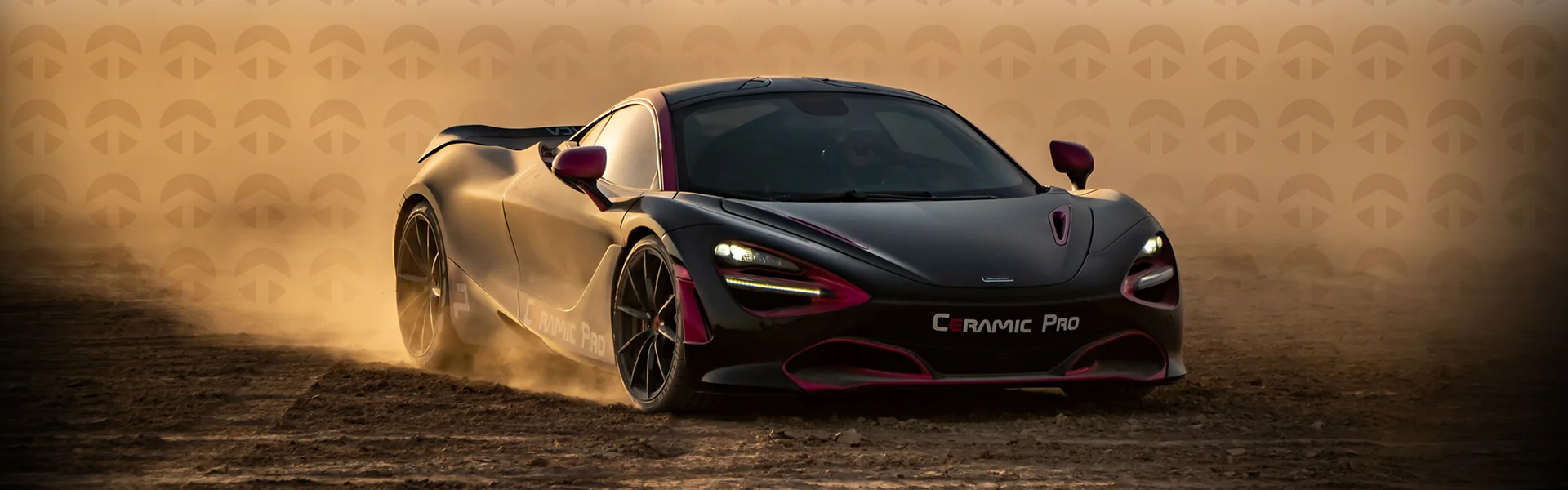
Ceramic coating is an SiO2-based, nanotech protective layer that chemically bonds to your vehicle’s clearcoat, forming a hard, hydrophobic surface that resists UV, chemicals, and light abrasion. Silicon dioxide molecules cross-link at the clearcoat interface to increase surface hardness and create a durable, glossy barrier that sheds water and reduces contaminant adhesion. By changing how contaminants interact with the surface, ceramic coatings make cleaning easier and slow oxidation and UV-induced fading. Those traits — chemical resistance, hydrophobicity, and added hardness — are why ceramic coatings are viewed as a longer-term protection compared with sacrificial products like wax that simply sit on top of the clearcoat.
Professional-grade ceramic coatings vary by formulation and SiO2 concentration, and that affects expected durability and protection. The table below compares representative coating types and typical performance so you can see what “professional-grade” means in practice.
| Coating | SiO2 Level / Type | Typical Durability |
|---|---|---|
| Professional SiO2 Nano Coating (Ceramic Pro-style) | High SiO2 concentration; cross-linking nanostructure | 3–5 years with proper maintenance |
| Hybrid SiO2/Polymer Coating (GeoShield-style) | Balanced SiO2 and polymer for flexibility | 2–4 years depending on formulation |
| Consumer SiO2 Spray Coating | Lower SiO2 percentage; ease-of-application | 6–12 months with frequent recoats |
In short: higher SiO2 levels and professional prep/application usually deliver multi-year protection, while consumer sprays give shorter-term benefits and need frequent reapplication.
How Does Ceramic Coating Work as a Nanotech Shield?
Ceramic coating chemically bonds to the clearcoat rather than forming a loose film on top. As it cures, SiO2 molecules create a rigid lattice that raises surface hardness and lowers surface energy, so water and contaminants bead and run off instead of sticking. That bond slows oxidation and chemical etching because fewer reactive species adhere to or penetrate the clearcoat. Think of the coating as a transparent armor: it changes surface chemistry and mechanical properties at the same time, which is why ceramic coatings both protect and simplify maintenance for daily drivers and high-mileage vehicles alike.
What Are the Main Benefits of Ceramic Coating for Colorado Springs Cars?
Ceramic coating addresses Colorado Springs’ top paint threats: better UV resistance, fewer water spots, and longer gaps between washes. The hydrophobic finish repels water and airborne grime, so mineral-rich precipitation or sprinkler spray leaves fewer spots. Increased hardness and chemical resistance slow oxidation from altitude-driven UV and reduce clearcoat etching from road chemicals. Together, these effects help preserve gloss and color deeper into the finish lifecycle — which keeps your car looking better and supports resale value. Below we’ll contrast these benefits with traditional wax so you can choose what fits your needs.
Quick note on professional options: Elite Auto Pro Colorado Springs applies industry-recognized coatings like Ceramic Pro and GeoShield with certified installers at our local facility. Mentioning these brands gives real-world examples of systems that can deliver the multi-year protection discussed here, without pulling focus from the objective comparison.
What Is Car Wax and How Does It Compare as Paint Protection?
Car wax is a sacrificial surface treatment that sits on top of the clearcoat, giving instant shine and short-term water repellency but limited chemical and UV protection compared with ceramic coatings. Waxes are usually carnauba, synthetic polymers, or blends that boost depth and gloss; they don’t chemically bond to the clearcoat and wear away with weather, washing, and abrasion. Wax is an affordable, DIY-friendly way to improve appearance and temporarily boost water beading, but in harsh environments you’ll often need to reapply every 4 to 6 weeks to keep protection meaningful. Those trade-offs help you decide between convenience and long-term defense.
Common wax types fit different owner needs:
- Carnauba Wax: Natural product that gives a warm, deep gloss but has the shortest lifespan and lower chemical resistance.
- Synthetic Paste Wax: Polymer-based blends that last longer and are easier to maintain than carnauba.
- Spray Wax / Quick Detailer: Fast touch-ups with the lowest durability — great between fuller applications.
Choose wax based on whether you want peak show-quality gloss (carnauba) or longer-lasting protection with easier upkeep (synthetic). Remember: regular reapplication is part of waxing, unlike the multi-year outlook for professional ceramic coatings, which we’ll quantify next.
What Types of Car Wax Are Commonly Used?
Carnauba, synthetic paste, and spray waxes are the most common categories and each serves a different owner profile. Carnauba yields a warm, reflective depth detailers love but wears quickly under strong sun and abrasion. Synthetic paste waxes use polymers for longer protection and simpler application, suited to owners who want less frequent upkeep. Spray waxes or quick-detail products are perfect for fast refreshes between washes but are the least durable. Pick the wax type by balancing desired look, application time, and how often you’ll reapply — especially with Colorado Springs’ UV and road chemicals in mind.
What Are the Advantages and Limitations of Wax in Colorado's Climate?
Wax gives quick aesthetic payoff and is easy to apply yourself, but its limits show under Colorado Springs’ high UV and winter chemical exposure. Wax’s hydrophobicity helps short-term beading and cleaning, but it won’t prevent UV-driven oxidation or resist chemical etchants as effectively as SiO2 coatings. Frequent reapplication — often every 4 to 6 weeks in harsh conditions — means ongoing time and product costs. If you want instant shine at low upfront cost, wax is sensible; if you want longer-term defense against local climate, consider more durable options.
Next, we’ll lay out a direct durability and maintenance comparison so you can see which protection matches different Colorado Springs driver profiles.
How Do Ceramic Coating and Wax Compare for Colorado Springs Drivers?
Ceramic coatings and wax differ in durability, UV and chemical resistance, maintenance frequency, and cost, which creates clear use-cases for commuters, enthusiasts, and high-mileage drivers. Ceramic coatings typically deliver multi-year protection and stronger UV/chemical resistance because they bond to the clearcoat. Waxes offer weeks-to-months of visual and hydrophobic benefits before needing reapplication. Ceramic maintenance centers on gentle washes and periodic checks, while wax requires regular stripping and reapplication and may need polishing to restore appearance. Look at cost as cost-per-year: ceramic coatings carry higher upfront prep and labor but usually lower recurring maintenance, while wax has low initial cost but recurring time and product expenses.
The table below gives a side-by-side look at typical attributes for ceramic coating versus wax to make the differences clear for Colorado Springs drivers.
| Protection Option | Attribute | Typical Value |
|---|---|---|
| Ceramic Coating | Durability | 2–5 years (professional systems) |
| Ceramic Coating | UV / Chemical Resistance | High; reduces oxidation and etching |
| Ceramic Coating | Maintenance Frequency | Low; gentle washes, periodic inspection |
| Wax | Durability | Weeks–3 months depending on type |
| Wax | UV / Chemical Resistance | Low–Moderate; limited protection vs etching |
| Wax | Maintenance Frequency | High; frequent reapplication required |
Bottom line: ceramic coatings win on durability and environmental resistance; wax wins on low upfront cost and immediate shine. Below we break down durability, maintenance, and practical trade-offs to help you decide.
How Do Durability and Protection Levels Differ Between Ceramic Coating and Wax?
Ceramic coatings deliver a much longer lifespan and stronger resistance to UV and chemical attack than wax, which is sacrificial and short-lived. In Colorado Springs, a professionally applied ceramic coating can retain protective properties for multiple years with proper care, while wax often needs reapplication several times a year to maintain similar hydrophobic behavior. The coating’s added hardness and lower surface energy slow oxidation and preserve gloss and pigment, whereas wax only delays exposure by covering the surface temporarily. That means ceramic coating reduces the need for restorative detailing and can prevent cumulative damage that leads to costly paint correction later.
What Are the Differences in Maintenance, Cost, and Application?
Maintenance routines differ: ceramic-coated cars need low-abrasion washes and periodic maintenance details; waxed cars need regular stripping and reapplication to keep gloss and protection. Application complexity also varies — ceramic coatings generally require professional paint preparation (clay, decontamination, paint correction) before application to ensure proper bonding and longevity, which raises upfront cost and labor. Wax is a straightforward DIY job but becomes time-consuming over the long term. Viewed as cost-per-year, ceramic coating often becomes cost-effective for vehicles kept several years or used in harsh conditions, while wax stays economical for short-term aesthetics or infrequent drivers.
Practical guidance: if you want long-term protection and lower recurring maintenance, professional ceramic coating is the better choice; if you want instant shine and low upfront cost and don’t mind regular upkeep, wax will work. If you’d like a precise comparison for your vehicle, request a quote from a local specialist to weigh long-term costs against DIY waxing commitments.
Next we’ll explain how paint protection film (PPF) pairs with surface treatments and when combining systems makes sense.
What Role Does Paint Protection Film Play Alongside Ceramic Coating?
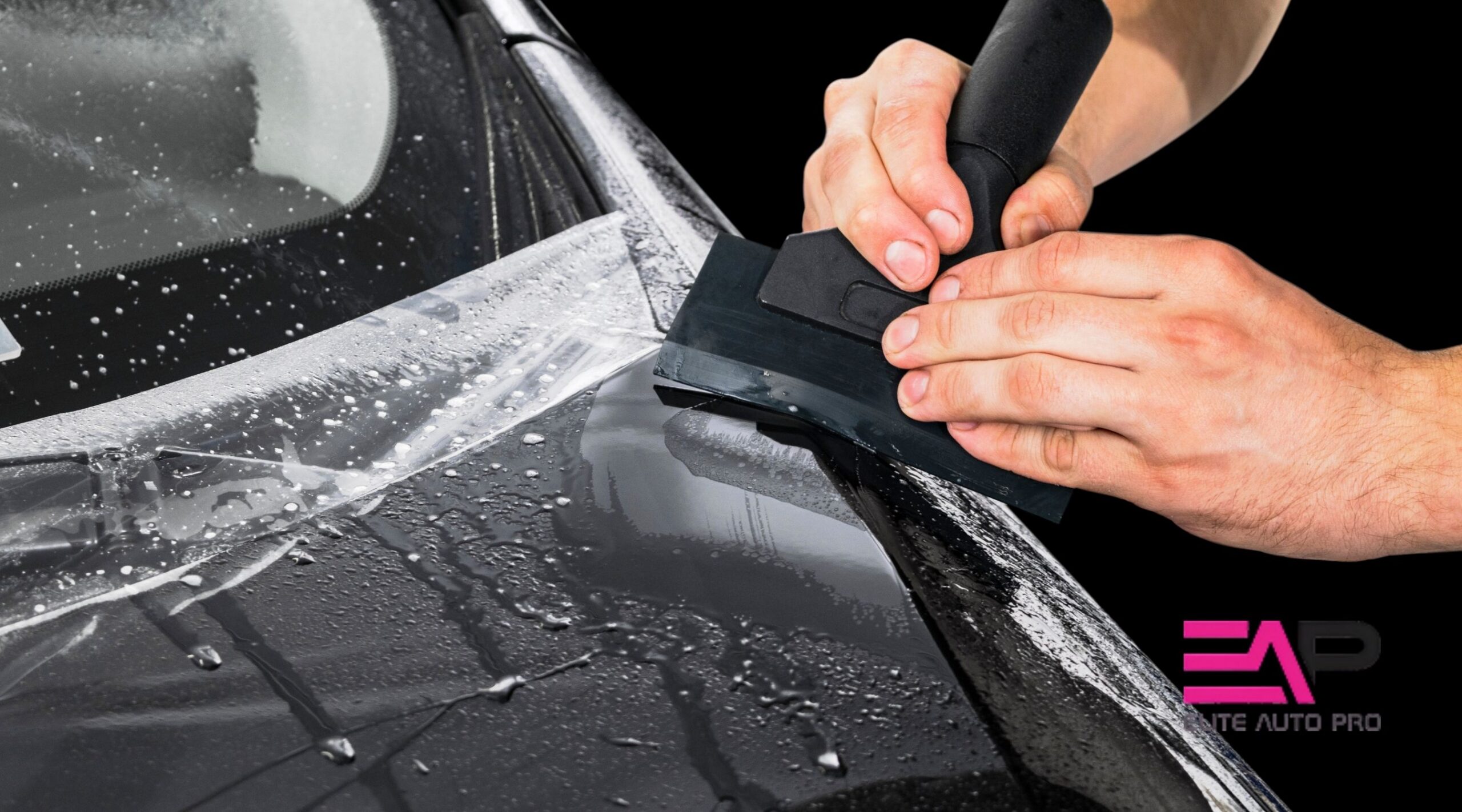
Paint Protection Film (PPF) is a clear, sacrificial polymer film applied to high-risk areas to absorb impacts and prevent chips and abrasions, while ceramic coating adds chemical and UV resistance when applied over paint or PPF. PPF handles mechanical energy from rocks and gravel and often includes a polyurethane topcoat that can self-heal minor scuffs. Combining PPF and ceramic coating gives you layered defense: PPF takes the physical hits, and ceramic coating reduces contaminant adhesion, improves UV stability, and boosts gloss across the film and exposed paint. This combo is especially useful for high-mileage drivers and vehicles frequently exposed to highway debris.
Common PPF coverage zones owners protect to reduce chip-related damage include:
- Hood and leading edge: The primary target for stone chips at highway speeds.
- Front bumper and lower fascia: Constant exposure to debris and road spray makes this area vulnerable.
- Side mirrors and rocker panels: Frequent contact and debris make these spots common damage zones.
Targeting these zones with PPF minimizes chip-related clearcoat failure and, when sealed with ceramic coating, reduces maintenance while preserving appearance. The following subsections explain how PPF works and why the combined workflow matters.
How Does PPF Provide Physical Barrier Protection?
PPF is a multilayer polymer film that adheres to painted surfaces to absorb impacts and stop stone chips and abrasions from reaching clearcoat and base paint. Modern PPF often has a polyurethane topcoat that self-heals minor swirl marks and single-impact scuffs when warmed, restoring smoothness without replacing the film. Installations focus on high-risk zones like the hood, bumper, and rocker panels where airflow and road debris concentrate impact energy. As a sacrificial layer, PPF prevents discrete substrate damage that would otherwise reach clearcoat and primer, reducing the need for spot repairs and paint touch-ups.
Why Combine PPF with Ceramic Coating for Optimal Results?
Applying ceramic coating over PPF seals the film’s surface, improving hydrophobicity, UV stability, and gloss while preserving the film’s impact resistance underneath. The coating lowers the PPF’s surface energy so contaminants bead and slide off, making cleaning easier and lowering staining from road chemicals. The recommended workflow is: install PPF first, let it cure, then apply a ceramic topcoat to film and exposed painted panels for a uniform finish and unified protection strategy. For drivers who want the broadest defense — impact mitigation plus chemical and UV resistance — the combined PPF + ceramic system is the premium, long-term choice.
With combined systems covered, the final section explains why a local provider matters and what services they typically offer.
Why Choose Elite Auto Pro for Ceramic Coating and Paint Protection in Colorado Springs?
Elite Auto Pro Colorado Springs is a local choice for premium paint protection and surface services — we specialize in ceramic coating, PPF, and window tinting. Our focus is on reliable protection, careful craftsmanship, and transparent service from certified installers, and we work with trusted product lines like Ceramic Pro and GeoShield. Serving Colorado Springs and nearby communities, Elite Auto Pro acts as a local partner for owners who want professional-grade protection tailored to our region’s climate. Our facility is at 949 Elkton Dr Unit B, Colorado Springs, CO 80907, and it’s where we handle consultations and installations.
What Certified Products and Services Does Elite Auto Pro Offer?
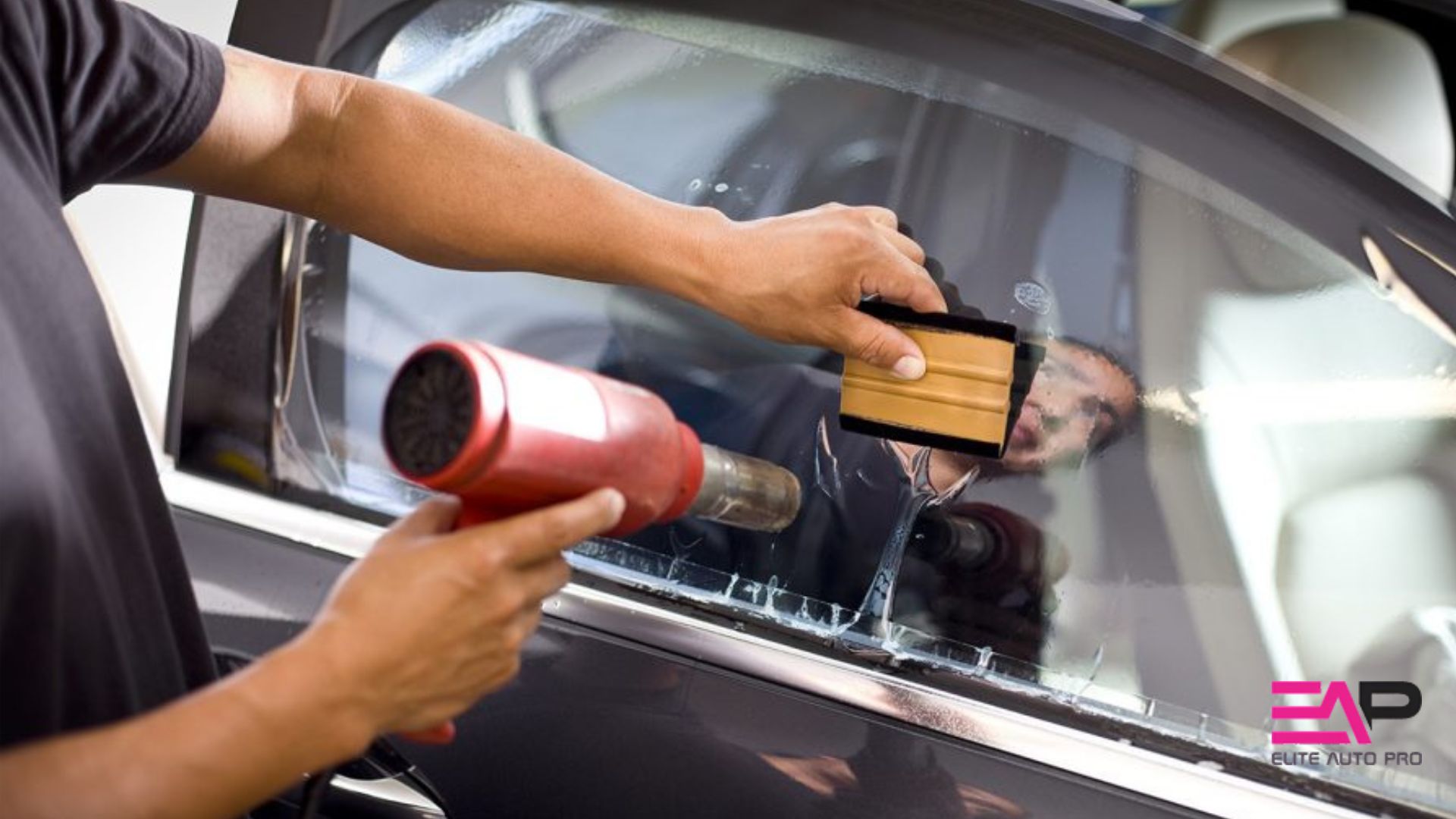
We provide professional ceramic coating application, PPF installation, window tinting, and detailing using recognized product lines. Our product choices align with the multi-year protection metrics discussed earlier. Certified installers perform the necessary paint preparation steps — decontamination, paint correction where needed, and controlled curing — to ensure coatings and films bond and perform as intended. For Colorado drivers, our services are designed to manage UV exposure, road chemicals, and mechanical impact with a coordinated protection plan.
How Does Elite Auto Pro Ensure Customer Satisfaction and Quality?
Quality at Elite Auto Pro starts with precision craftsmanship and certified installation. We emphasize careful surface prep and attention to finish, and we aim for a straightforward, customer-first experience without high-pressure sales. To evaluate our work, ask for before-and-after photos and documentation of the products and systems used — common, helpful proof of expected longevity. Working with a local, specialized shop simplifies ongoing service and ensures protection choices match Colorado Springs’ environmental demands.
Final practical note: when comparing options, request a written estimate and product details so you can compare lifecycle costs and maintenance expectations between professional ceramic systems, combined PPF + coating bundles, and regular waxing plans.
Frequently Asked Questions
1. How long does ceramic coating last compared to wax?
Ceramic coatings typically last 2 to 5 years depending on the product and upkeep, while wax usually lasts a few weeks to a few months. Ceramic’s durability comes from chemical bonding to the clearcoat, creating a stronger protective layer against UV and chemicals. Wax is sacrificial and wears away with exposure, so it requires frequent reapplication to stay effective.
2. Can I apply ceramic coating myself, or should I hire a professional?
Some consumer ceramic products are marketed for DIY, but for best results we recommend professional installation. Proper surface preparation — decontamination and paint correction — is vital for a lasting bond. Certified installers have the experience to apply coatings evenly and correctly, which maximizes longevity and protective performance.
3. What maintenance is required for ceramic coatings?
Ceramic coatings are lower maintenance than wax. Use pH-neutral car soap and soft wash methods, avoid abrasive tools, and inspect the finish periodically. While coatings don’t need frequent reapplication, occasional maintenance sprays made for ceramic surfaces can help restore hydrophobic properties and extend performance.
4. Is it worth investing in both ceramic coating and paint protection film (PPF)?
Yes — combining PPF and ceramic coating gives you comprehensive protection. PPF protects against chips and abrasions; ceramic coating adds chemical and UV resistance and makes cleaning easier. For high-mileage vehicles or cars regularly exposed to harsh conditions, the combination maximizes protection and reduces long-term maintenance.
5. How do I choose between ceramic coating and wax for my vehicle?
Choose based on driving habits, budget, and desired protection level. If you want long-term protection and lower recurring maintenance, ceramic coating is a strong choice. If you want immediate shine at low upfront cost and are willing to reapply frequently, wax can work. Factor in local climate and how often you drive to decide what fits your needs.
6. What are the environmental impacts of using ceramic coatings and wax?
Ceramic coatings can be kinder to the environment over time because they require less frequent reapplication, reducing product use. Many modern coatings are formulated with lower environmental impact in mind. Waxes — especially those with certain chemicals — can wash into water systems and contribute to pollution. Choosing eco-friendlier products helps mitigate environmental effects regardless of the path you take.
7. How can I find a reputable installer for ceramic coating in Colorado Springs?
Start by researching local shops with strong reviews and examples of completed work. Look for certified installers who use recognized brands and provide warranties. Visit their facility, ask about their prep and application process, and request before-and-after photos of previous projects to confirm quality and fit for your expectations.
Conclusion
Picking the right paint protection in Colorado Springs matters — our local climate speeds UV, chemical, and impact-related damage. Ceramic coatings provide longer-lasting durability and stronger UV and chemical resistance, making them a smart investment for owners who want lower recurring maintenance. Traditional wax gives an immediate cosmetic boost at a lower upfront cost but needs frequent reapplication. If you’d like help deciding, contact us to explore professional ceramic coating and paint protection options tailored for Colorado Springs.