
When we talk about window tint, we don’t approach it as a quick cosmetic change. From our experience working on vehicles every day in Colorado Springs, window tint is a long-term vehicle upgradethat affects comfort, visibility, interior protection, and overall driving experience for years, not months.
One of the most important things we explain to drivers is that window tint is not about instant visual impact alone. The real value shows up over time. Reduced heat buildup, consistent glare control, and protection against UV exposure are benefits you notice gradually, especially when your vehicle is driven and parked regularly in this area.
Rather than offering guarantees or fixed timelines, we set expectations around lifespan, durability, and performance. How long window tint lasts depends on smart material choices, professional window tint installation, and how the vehicle is used day to day.
Living and driving in Colorado Springs adds unique considerations. The high elevation increases UV intensity, seasonal temperature swings put stress on materials, and daily commuting patterns often include direct sun exposure at different times of day. All of this influences how window tint performs over time.
As installers and drivers ourselves, we rely on window tint in our own vehicles. We understand its value not from theory, but from ownership experience. When properly installed and matched to local conditions, window tint becomes a practical, long-term investment rather than a short-term upgrade.
What Determines How Long Window Tint Lasts?
One of the biggest misconceptions we hear is that window tint has a single, fixed lifespan. In reality, window tint longevity is influenced by multiple factors working together, not a single number on a spec sheet.
At a high level, durability comes down to three core elements:
- The quality of the window tint film
- The precision of the window tint installation
- The environment and usage habits of the vehicle
Even the best materials cannot perform as intended without proper installation, and even a perfectly installed tint will age faster under harsh conditions if the wrong film is chosen.
From a professional standpoint, we look at window tint as a system. Film quality, installation technique, climate exposure, and basic care all contribute to how well it holds up year after year. That’s why we focus on education first, helping drivers understand what actually affects performance over time.
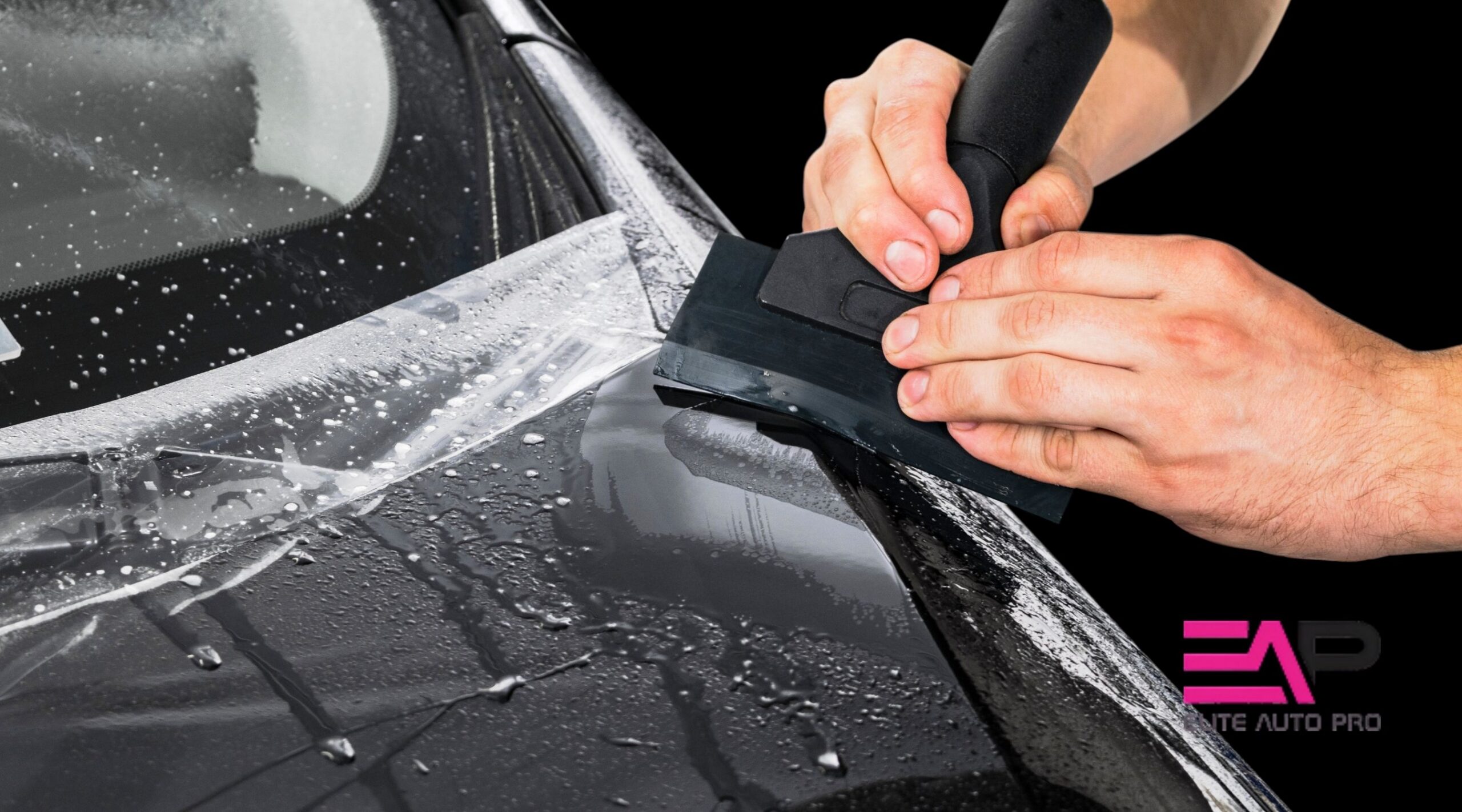
Understanding Paint Protection Film
One of the biggest misconceptions we hear is that window tint has a single, fixed lifespan. In reality, window tint longevity is influenced by multiple factors working together, not a single number on a spec sheet.
At a high level, durability comes down to three core elements:
- The quality of the window tint film
- The precision of the window tint installation
- The environment and usage habits of the vehicle
Even the best materials cannot perform as intended without proper installation, and even a perfectly installed tint will age faster under harsh conditions if the wrong film is chosen.
From a professional standpoint, we look at window tint as a system. Film quality, installation technique, climate exposure, and basic care all contribute to how well it holds up year after year. That’s why we focus on education first, helping drivers understand what actually affects performance over time.
Quality of Window Tint Film
Not all window tint films are built the same, and the differences matter even more in a high-UV environment like Colorado Springs.
There are four common categories of automotive window tint films:
- Dyed window tint
- Carbon window tint
- Ceramic window tint
- Hybrid window tint
Dyed films are typically the most basic option, while ceramic window tint represents the highest level of performance and durability. As film quality increases, so does resistance to fading, bubbling, and performance loss.
Material quality directly affects:
- Color stability over time
- Resistance to bubbling or peeling
- Long-term heat rejection performance
- UV protection for interior surfaces
In Colorado Springs, the combination of strong sunlight and elevation accelerates wear on lower-quality films. That’s why higher-grade options, especially ceramic window tint, are often better suited for local conditions. These films are designed to handle prolonged UV exposure without breaking down as quickly, offering better heat rejection and interior protection over the long term.
Professional Window Tint Installation
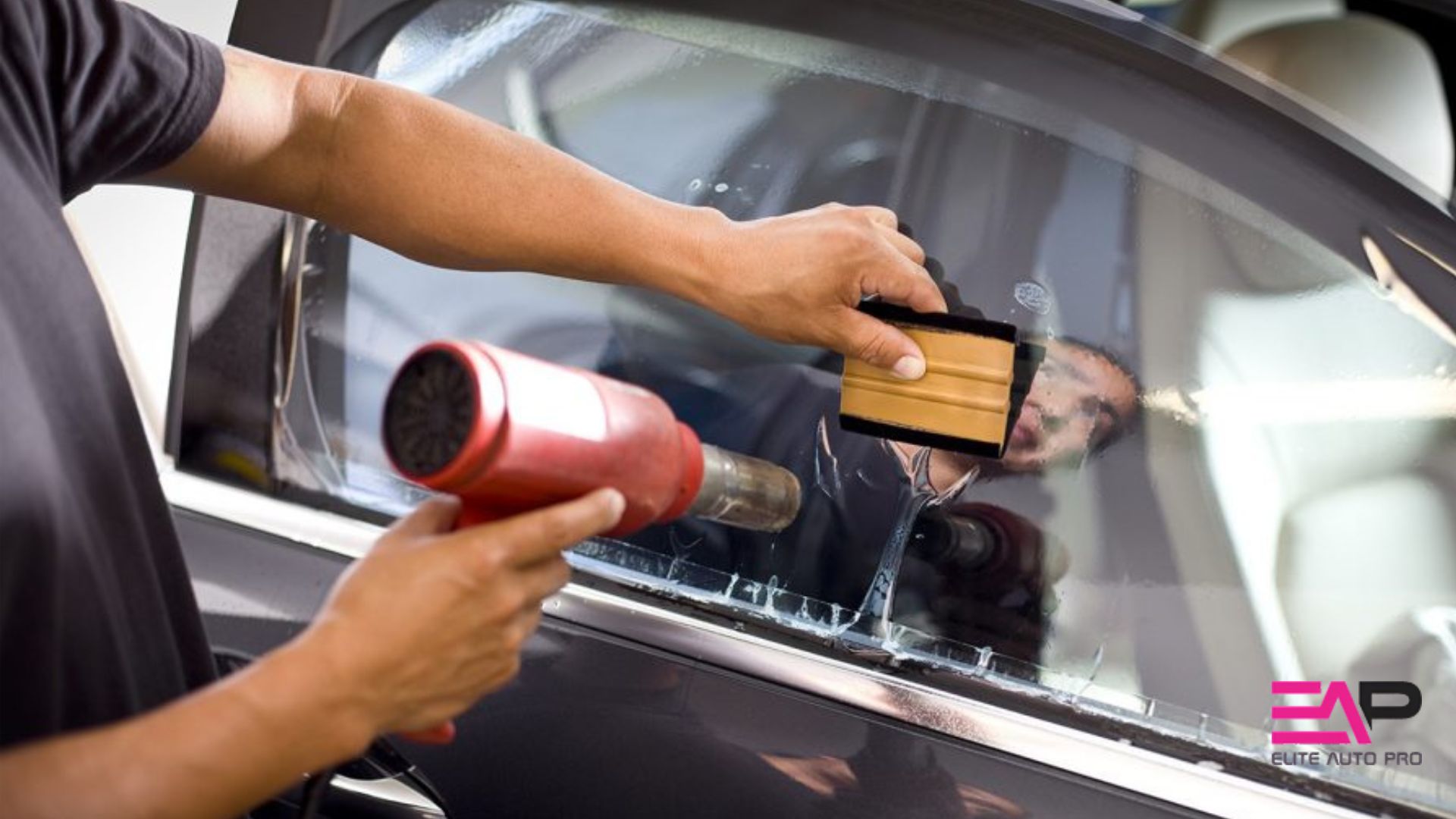
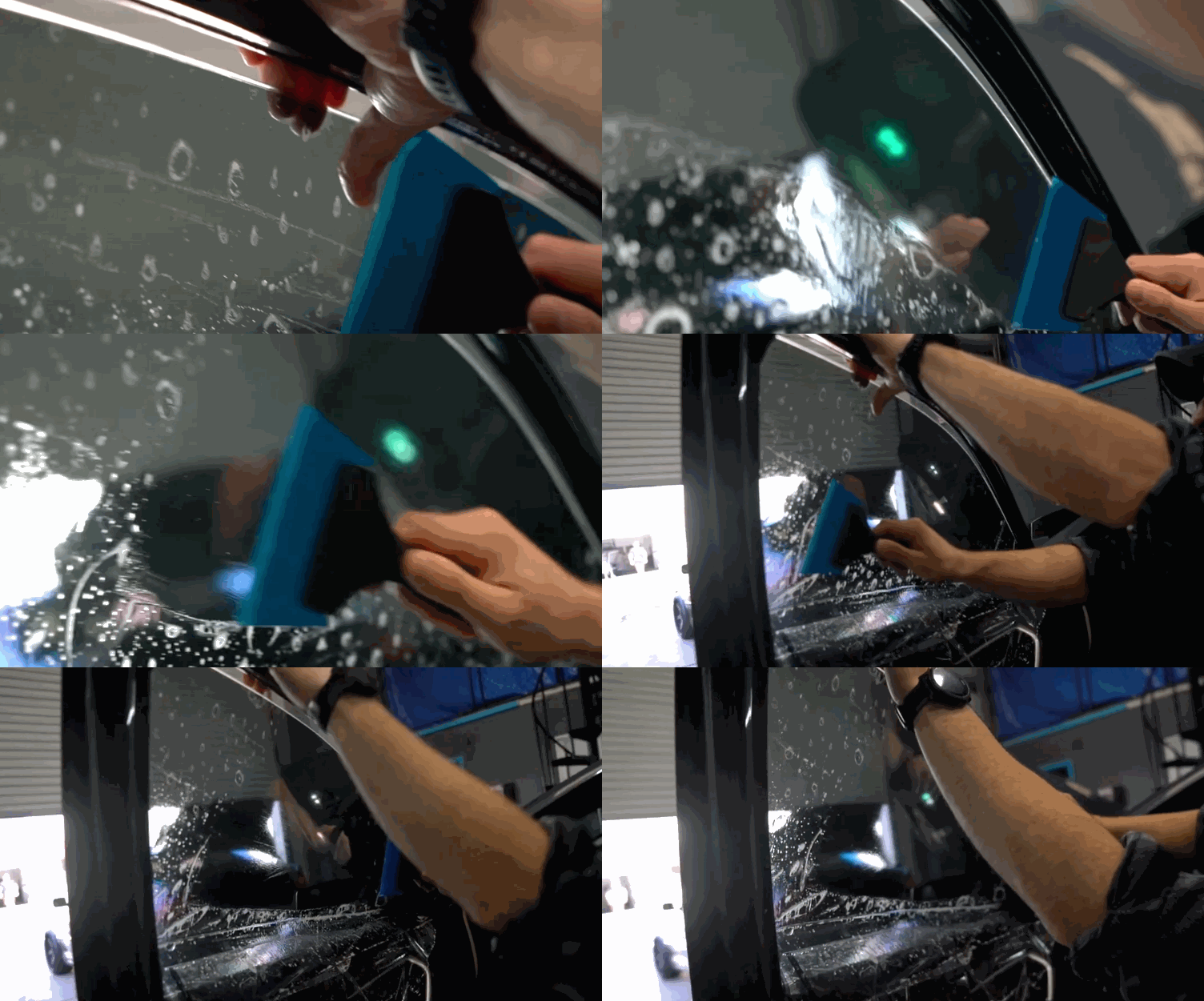
Even premium window tint can fail early if the window tint installationis not done correctly. From our experience, installation quality is just as important as the film itself when it comes to lifespan.
Proper window tint installation includes several critical steps:
- Thorough surface preparation to remove contaminants
- Precision cutting to ensure exact fit
- Clean edge sealing to prevent lifting
- Controlled curing conditions for proper adhesion
If any of these steps are rushed or skipped, problems such as bubbling, peeling, or uneven appearance can develop prematurely. This is not a film issue, it’s an installation issue.
Working with experienced installers who understand Colorado Springs conditionsmatters. Temperature, humidity, and curing time all play a role in how window tint bonds to the glass. Local experience allows installers to adjust techniques based on seasonal changes, ensuring the tint performs as intended long after installation.
Colorado Springs Climate and Driving Environment
Colorado Springs presents a unique environment for window tint performance. The high altitude increases UV exposure, meaning window tint is working harder here than in many other regions.
Several local factors affect window tint longevity:
- Strong summer sun with minimal cloud cover
- Cold winter temperatures that stress materials
- Snow glare during winter months
- Rapid temperature changes throughout the year
Daily driving habits also matter. Commuting routes, highway driving, and outdoor parking all influence how much sun exposure your vehicle receives. Vehicles parked outside for long periods will experience more UV impact than those stored indoors, making film selection even more important.
Local considerations such as Colorado window tint laws, UV exposure levels, and climate impact should always be part of the decision-making process. Choosing the right window tintfor Colorado Springs is about matching the product to real-world driving conditions, not just appearance.
Average Lifespan of Window Tint by Film Type
When discussing lifespan, we always focus on realistic expectations rather than guarantees. The ranges below assume proper window tint installation and normal vehicle use in Colorado Springs conditions.
Dyed Window Tint
Dyed window tint typically offers the shortest lifespan among available options.
- Average lifespan is usually several years under normal conditions
- More prone to fading under strong UV exposure
- Heat rejection performance tends to decrease over time
In Colorado Springs, dyed window tint can fade faster due to elevation and sunlight intensity. That said, it may still make sense for drivers who prioritize basic glare reduction or have short-term vehicle plans.
Carbon Window Tint
Carbon window tint offers improved durability compared to dyed films.
- Better color stability over time
- Moderate heat rejection performance
- More resistant to fading in high-sun environments
For many daily drivers in Colorado Springs, carbon window tint provides a balanced option between performance and longevity, especially for vehicles that see regular commuting and outdoor parking.
Ceramic Window Tint
Ceramic window tint is known for offering the longest lifespan and highest performance.
- Superior UV protection and heat rejection
- Excellent optical clarity
- Strong resistance to fading and degradation
Because of its ability to handle intense sunlight and temperature variation, ceramic window tint is especially popular in high-elevation areas like Colorado Springs. For drivers focused on long-term ownership and consistent performance, ceramic tint often delivers the most durable results over time.
Signs Your Window Tint Is Reaching the End of Its Life
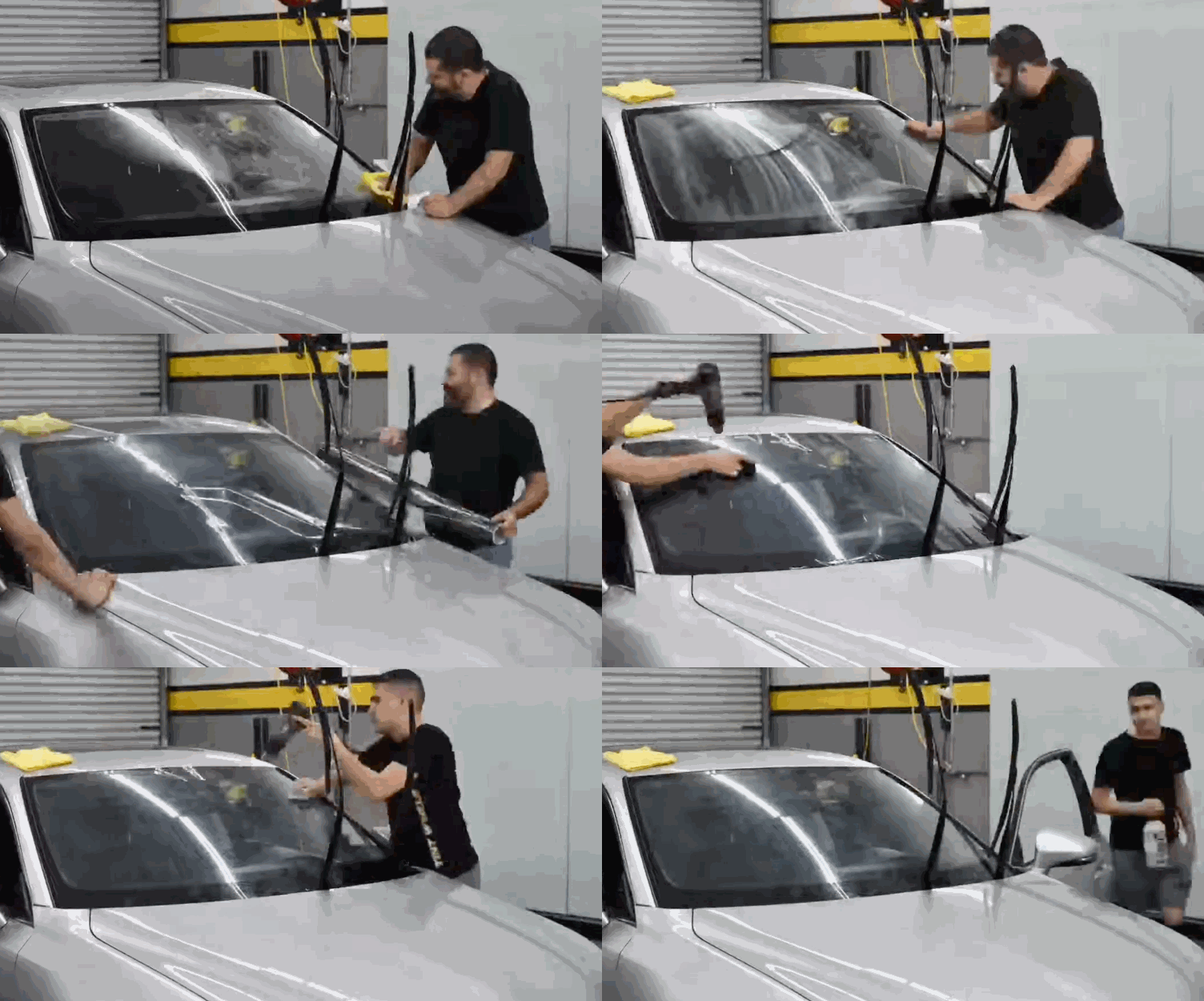
Window tint rarely fails all at once. In most cases, it ages gradually, and the early signs are easy to overlook if you are not sure what to watch for. From our experience, recognizing wear early helps prevent performance issues before they affect comfort or visibility.
One important thing we always emphasize is that aging window tint impacts function first, not just appearance. Even if the tint still looks acceptable at a glance, performance can decline quietly over time.
Common indicators that window tint may be nearing the end of its effective lifespan include:
- Discoloration or fading, especially noticeable in strong sunlight
- Small bubbles forming near edges or defroster lines
- Peeling or lifting around corners
- Reduced heat rejection compared to when the tint was new
Beyond visual signs, drivers often notice changes in daily comfort. Cabin temperatures may rise faster, glare control may feel less effective, and visibility can be slightly distorted, particularly during bright midday sun or winter glare conditions in Colorado Springs.
The key is early evaluation. Addressing aging window tint before it fully degrades can prevent further issues and make replacement or upgrades much smoother.
Can Window Tint Be Replaced or Upgraded Over Time?
One concern we often hear is hesitation around replacement. The reality is that window tint is not permanent, and upgrading it is a normal part of long-term vehicle ownership.
Replacement makes sense when performance has declined, when visibility is affected, or when newer film technology offers better heat rejection and UV protection than what was previously available. Repair may be possible in limited cases, but full replacement is often the most reliable solution.
Modern window tint installation has advanced significantly. Even older vehicles can benefit from updated films that provide:
- Improved heat rejection
- Better optical clarity
- Stronger UV protection
- Longer-lasting performance
At Elite Auto Pro, we regularly perform window tint removaland tint replacement, helping drivers transition to higher-performing options without damage to the glass or defrosters. The process is controlled, safe, and designed to prepare the vehicle for long-term results.
Upgrading window tint should feel like a responsible decision, not a stressful one. With proper evaluation, replacement can restore comfort and performance without unnecessary complications.
Conclusion: Window Tint Longevity Starts With Smart Choices
When you step back and look at the full picture, window tint is best understood as a long-term ownership decision. Its lifespan and performance are shaped by the quality of the film, the precision of the window tint installation, and how the vehicle is driven and stored in Colorado Springs.
Strong UV exposure, seasonal temperature swings, and daily commuting all influence how window tint ages. Choosing materials designed for these conditions and working with experienced local installers helps ensure the tint performs consistently over time.
Speaking from experience, window tint delivers the most value when expectations are realistic and decisions are informed. It is not about instant results, but about long-term comfort, interior protection, and driving confidence across changing seasons.
If you ever want guidance rooted in real-world use rather than sales pressure, Elite Auto Prois here as a trusted local resource, contact us today. Our role is to help Colorado Springs drivers make informed choices that support long-term satisfaction and performance, not just short-term upgrades.