Ceramic vs. Carbon Window Tint
By Bill Bertoniere, General Manager
Reviewed by Elite Auto Pro Technical Team

Automotive window tint controls heat, blocks ultraviolet rays, and protects interiors while enhancing a vehicle’s visual character. Ceramic and carbon films are two common advanced options. This article compares GeoShield’s Pro Nano (spectrally selective ceramic) and C2 Carbon (nano-carbon) offerings, examining their performance on heat rejection, UV/IR blocking, optical clarity, durability, and aesthetics. Drivers in Colorado Springs can use this guide to choose the right film for local conditions, understanding how high-altitude sun and seasonal temperature swings influence selection. We’ll also cover professional installation, maintenance, and common questions, highlighting what to ask a trusted installer like Elite Auto Pro when requesting a quote.
What Are the Key Differences Between Ceramic and Carbon Window Tint?
Ceramic and carbon window tints are advanced non-dyed films that improve thermal comfort and protect interiors, differing in composition and how they handle infrared (IR) and visible light. Ceramic tint uses nano-ceramic particles to scatter and absorb specific IR wavelengths, reducing heat without excessive darkening and preserving optical clarity. Carbon tint contains carbon particles that block UV effectively and provide a matte, deep-color finish, offering moderate IR reduction. Ceramic prioritizes IR rejection and optical neutrality for cooler cabins, while carbon prioritizes style stability and cost-effectiveness for a matte look and long-term color stability.
How Does Ceramic Tint Technology Work?
Nano-ceramic tint contains microscopic ceramic particles that absorb and scatter infrared radiation while allowing visible light to pass with minimal distortion. This spectrally selective behavior keeps cabins cooler without very dark VLT levels, yielding high optical clarity and low haze. This directly reduces solar heat load and lowers air-conditioning demand, especially beneficial in high-sun environments.
Spectral Selectivity in Thin Films for Energy Efficient Windows
In particular, spectrally selective window designs and metal-based thin films are introduced as a means to control the solar heat gain and improve the energy efficiency of buildings. The concept of spectral selectivity is crucial, as it allows for the selective transmission or reflection of different parts of the solar spectrum, thereby optimizing thermal performance.
Spectral selective and photothermal nano structured thin films for energy efficient windows, D Shi, 2017
What Are the Characteristics of Carbon Window Tint?
Carbon film uses carbon-based pigments to create a matte or deep charcoal finish, resisting the purple or brown fading seen in older dyed films. Carbon particles block ultraviolet light effectively and reduce heat through solar absorption and re-radiation, though typically delivering moderate IR rejection compared with ceramic. Carbon films are color-stable and scratch-resistant, offering long-term appearance retention.
How Do Ceramic and Carbon Tints Compare in Heat Rejection and UV Protection?
Ceramic tints generally offer superior infrared (IR) rejection and overall heat reduction, using spectral control to target heat-contributing wavelengths. Both ceramic and carbon films provide strong ultraviolet (UV) protection, blocking a very high percentage of UV-A and UV-B. Ceramic yields cooler cabin temps and lower AC load in intense sun, while carbon offers meaningful comfort gains with slightly less IR control. These distinctions shape best use cases for Colorado Springs’ strong high-altitude sunlight.
What Are the Visual and Aesthetic Differences Between Ceramic and Carbon Tints?
Ceramic films prioritize optical clarity and color neutrality, ideal for drivers valuing minimal hue shift, clear outward visibility, and glossy or near-invisible finishes. Carbon films create a matte or deep charcoal appearance that reduces surface glare and imparts a stealthy, stylish look. The aesthetic decision often hinges on preference for high clarity and subtlety (ceramic) or a bold matte/styled appearance (carbon).
What Are the Unique Benefits of GeoShield Pro Nano Ceramic Film?
GeoShield Pro Nano is a spectrally selective nano-ceramic film engineered to maximize IR rejection while maintaining visible clarity. Its ceramic nanoparticles target heat-causing wavelengths, reducing cabin temperature and protecting interior surfaces. Pro Nano’s non-metallic construction preserves electronic signal transmission. Its durability and manufacturer-backed protections make it a strong candidate for drivers prioritizing comfort and long-term optical performance.
| Product | Attribute | Value |
|---|---|---|
| GeoShield Pro Nano | IR Rejection | High (spectrally selective) |
| GeoShield Pro Nano | UV Protection | Very high (protects interior & skin) |
| GeoShield Pro Nano | Optical Clarity | Excellent (minimal hue shift) |
How Does GeoShield Pro Nano Provide Superior Heat and IR Rejection?
Pro Nano’s spectrally selective layers absorb and scatter IR wavelengths, lowering solar heat gain. By targeting IR, Pro Nano delivers better thermal comfort without extreme visible light reduction, preserving visibility and VLT compliance. This means reduced dash and upholstery fading, faster cabin cool-down, and lower AC runtime during hot, sunny drives. Testing shows noticeable cabin temperature differences.
What Level of UV Protection Does GeoShield Pro Nano Offer?
GeoShield Pro Nano provides very high UV protection, blocking most UVA and UVB rays to protect occupants and interior materials. High UV blocking reduces fading and deterioration, contributing to occupant skin protection. For Colorado Springs drivers exposed to elevated UV levels, this preserves resale value and reduces interior restoration needs. Confirm manufacturer-stated UV percentages during quote or installation.
Does GeoShield Pro Nano Affect Electronic Signals or Device Connectivity?
As a ceramic, non-metallic film, Pro Nano does not contain metal layers that cause signal attenuation, so it should not interfere with cell, GPS, or radio reception. Ceramic nanoparticles do not create reflective metallic layers, allowing modern infotainment and navigation systems to operate normally. This signal neutrality is a practical advantage for connected-car owners.
What Is the Durability and Warranty of GeoShield Pro Nano Film?
GeoShield Pro Nano is durable and color-stable when correctly installed, resisting peeling and haze. Premium ceramic film warranties typically cover bubbling, delamination, and significant discoloration; exact terms should be confirmed with the manufacturer or installer. Professional installers often provide workmanship guarantees. Asking for specific warranty details during the Elite Auto Pro consultation ensures clarity.
What Makes GeoShield C2 Carbon Film a Cost-Effective Tinting Option?
GeoShield C2 Carbon is a nano-carbon film delivering strong UV protection, consistent color stability, and an attractive matte finish at a value-oriented price. Carbon pigments block UV effectively and provide a non-reflective appearance. While carbon typically delivers lower IR rejection than ceramic, it still yields meaningful heat reduction and long-term color stability compared with dyed films. This combination positions C2 Carbon as a practical, budget-conscious option.
| Product | Attribute | Value |
|---|---|---|
| GeoShield C2 Carbon | Finish | Matte / Deep charcoal |
| GeoShield C2 Carbon | UV Protection | High |
| GeoShield C2 Carbon | Cost Level | Affordable / Mid-range value |
How Does GeoShield C2 Carbon Film Block Heat and UV Rays?
C2 Carbon uses carbon pigments to absorb and block ultraviolet radiation effectively, reducing solar heat through absorption and re-radiation for a cooler cabin. Though carbon’s IR rejection is moderate compared with spectrally selective ceramics, its overall solar control substantially reduces interior temperatures and sun damage. Carbon’s trade-off—excellent UV guarding and style with decent heat control—suits style-oriented or budget-minded owners. For maximum IR reduction in intense sun, Pro Nano may be better, while C2 Carbon balances performance and cost.
What Are the Aesthetic Advantages of GeoShield C2 Carbon’s Matte Finish?
C2 Carbon’s matte finish reduces surface shine, giving a modern, understated look that complements many vehicles. The matte aesthetic minimizes glare, pairs well with sporty or luxury trims, and resists gloss changes. Owners prioritizing a stealthy, tailored appearance often select carbon-style films for their consistent color depth and low reflectivity. Choosing a finish is an aesthetic decision linked to vehicle design and personal style.
How Durable Is GeoShield C2 Carbon Compared to Ceramic Films?
Carbon films are color-stable and resist fading, maintaining an even appearance over time when professionally installed. While carbon may lag ceramic slightly on IR rejection, both show comparable longevity and scratch resistance under good installation and care. Installation quality is key: controlled application, proper curing, and workmanship standards minimize peeling and edge lift for either film. Confirming manufacturer and installer warranties helps protect long-term performance.
What Is the Typical Cost and Value Proposition of GeoShield C2 Carbon?
C2 Carbon is a mid-range, affordable option offering strong aesthetic value and reliable UV protection for owners prioritizing style and a competitive price. Installers typically provide local quotes reflecting vehicle size, VLT, and installation complexity. For many, C2 Carbon represents an excellent cost-benefit balance: durable aesthetics and solid solar control without the premium price of top-tier ceramic films. Asking for a local quote ensures an apples-to-apples comparison.
How Do GeoShield Pro Nano and C2 Carbon Films Compare Side-by-Side?
A clear side-by-side comparison helps buyers see where Pro Nano and C2 Carbon differ on performance, finish, durability, signal behavior, and ideal use cases. The table below summarizes key attributes.
| Attribute | GeoShield Pro Nano (Ceramic) | GeoShield C2 Carbon (Carbon) |
|---|---|---|
| Heat/IR Rejection | High (spectrally selective) | Moderate (effective but lower IR block) |
| UV Protection | Very high | High |
| Finish | Gloss/clear optical neutrality | Matte / deep charcoal |
| Signal Interference | No (non-metallic) | No (non-metallic) |
| Durability | Very good | Very good (color-stable) |
| Cost Tier | Premium | Mid-range / affordable |
| Best For | Maximum comfort, luxury cars | Style-focused, budget-conscious owners |
What Are the Differences in Heat Rejection, UV, and IR Blocking?
Pro Nano leads on IR rejection due to spectrally selective ceramic layers, translating to lower cabin temperatures under strong sun. Both films offer strong UV protection, reducing skin risk and interior fading; Pro Nano typically claims slightly higher UV/IR percentages. Pro Nano reduces AC runtime and interior heat faster, while C2 Carbon still meaningfully reduces sun exposure but with a smaller IR-blocking margin. These differences are most relevant for intense sunlight or high-altitude UV conditions.
How Do Finish, Durability, and Signal Interference Compare?
Pro Nano prioritizes optical clarity and minimal hue shift, while C2 Carbon emphasizes a matte look and deep coloration. Durability is comparable for both when professionally installed, with installation quality and correct curing times being key. Neither film contains metallic layers that cause signal issues, so cell, GPS, and radio reception remain intact. Professional installation further reduces physical defects.
Which Film Is Best Suited for Different Vehicle Types and Customer Needs?
For commuters and families prioritizing interior protection and cooler cabins, Pro Nano’s IR rejection and clarity are strong choices, especially in high-sun regions. Luxury and performance vehicles benefit from Pro Nano’s optical neutrality. Sporty or style-focused owners valuing a matte, stealthy look and cost efficiency may prefer C2 Carbon. Trucks and SUVs exposed to heavy sun loads or drivers who park outdoors frequently may prioritize Pro Nano for comfort; drivers seeking a bold aesthetic at a moderate price often select C2 Carbon. Matching the film to priorities, vehicle use, and local climate produces the best outcome.
Elite Auto Pro GeoShield Tint Installation in Colorado Springs
Elite Auto Pro provides local installation services for GeoShield films in Colorado Springs, combining product education, controlled installation, and customer-focused workflows. Their process emphasizes detailed VLT selection, clear explanation of Pro Nano and C2 Carbon benefits, and transparent warranty discussions. In Colorado Springs’ intense UV environment, Elite Auto Pro installers recommend films prioritizing IR rejection for summer comfort and UV blocking for year-round interior preservation.
What Is the Professional Installation Process at Elite Auto Pro?
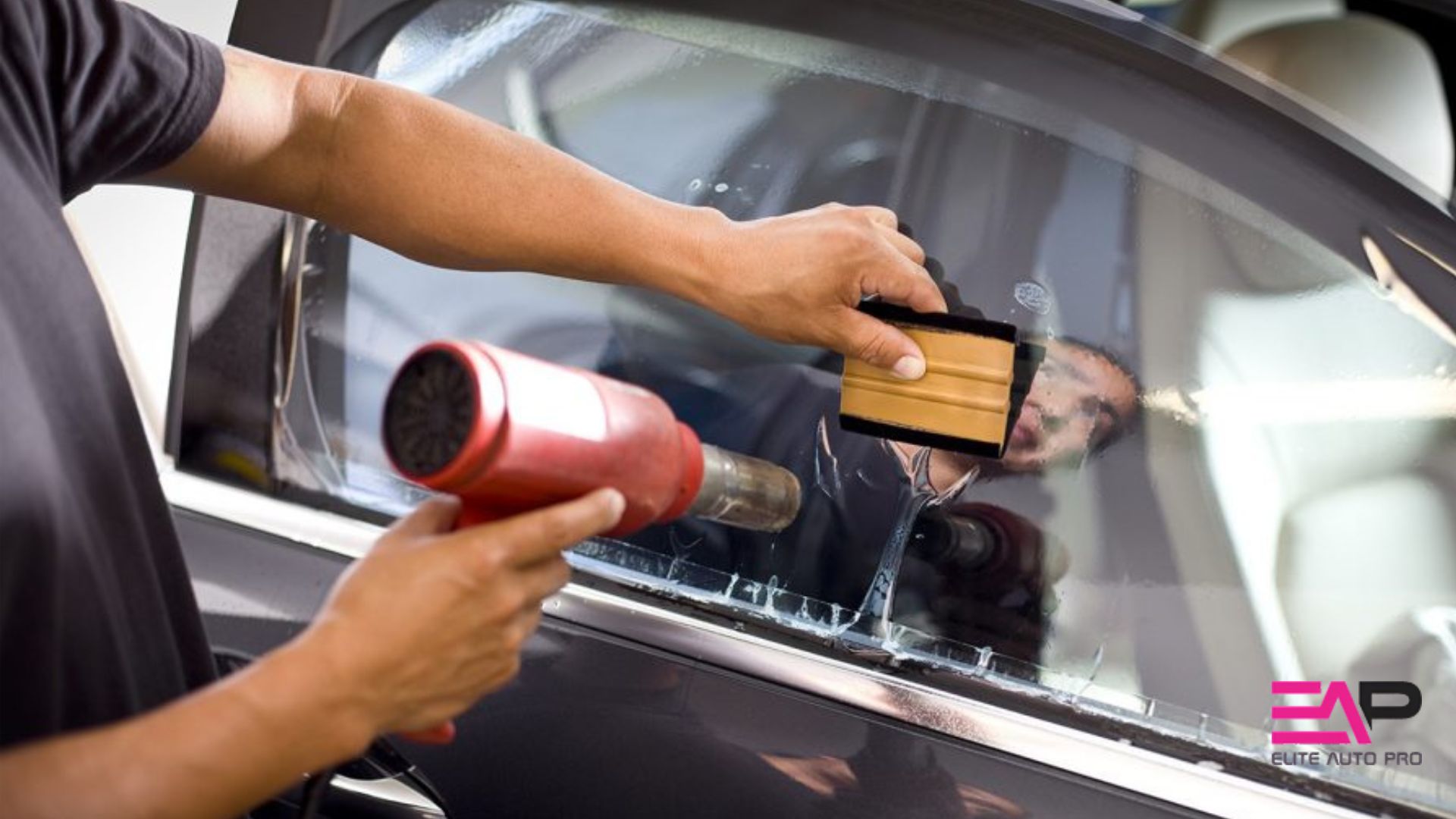
A professional installation begins with an in-shop consultation to select VLT and film type, followed by vehicle prep and glass cleaning in a controlled environment. Installers precisely cut and apply the film, trim edges, squeegee out moisture, and perform quality checks for bubble-free, edge-sealed results. Curing time is explained. Elite Auto Pro emphasizes workmanship standards and post-install inspection, discussing manufacturer warranty and workmanship protection during handoff. Clear timelines and care instructions reduce uncertainty and maintain long-term performance.
How Does Local Climate Influence Tint Choice in Colorado Springs?
Colorado Springs’ high-altitude sun increases UV intensity and infrared radiation, so films with strong IR and UV control bring measurable comfort and interior preservation benefits. Seasonal swings—cold, bright winters with glare and hot, sunny summers—mean buyers value balanced spectral control. For high-exposure parking and long drives, spectrally selective ceramic films like Pro Nano offer clear thermal advantages, whereas C2 Carbon remains attractive when appearance and cost are prioritized. Local climate considerations should guide film selection.
What Do Colorado Springs Customers Say About Elite Auto Pro’s Tint Services?
Elite Auto Pro collects localized customer feedback demonstrating outcomes like measured interior temperature drops, satisfaction with finish, or clarity on warranty handling. Publishing verified before-and-after temperature readings or brief customer statements (with permission) is persuasive proof of value. Elite Auto Pro encourages customers to share factual feedback about comfort improvements, glare reduction, or installation experience to build trust.
What Are Common Questions About Ceramic and Carbon Window Tint?
Drivers frequently ask which tint blocks more heat, whether ceramic is worth the extra cost, fading concerns for carbon, signal interference, and local legal limits; concise answers help consumers decide quickly.
Which Tint Blocks More Heat: Ceramic or Carbon?
Ceramic tint typically blocks more heat and IR than carbon due to its spectrally selective nano-ceramic layers. Carbon still reduces heat and provides strong UV protection but usually delivers lower IR rejection. Choose ceramic for maximum cabin cooling and IR control; select carbon when style and cost are chief concerns. Ask your installer about real-world thermal readings for each film on similar vehicles.
Is Ceramic Window Tint Worth the Extra Cost?
Ceramic tint is worth the extra cost for drivers prioritizing stronger IR rejection, optical clarity, and minimal hue shift, especially in high-UV climates where comfort and interior preservation matter. Benefits include lower AC usage, slower interior fading, and enhanced driving comfort. Budget-conscious buyers may prefer carbon for strong UV protection and a matte finish at lower cost. Getting a local quote helps quantify the incremental benefit relative to price.
Does Carbon Window Tint Fade Over Time?
Carbon films are designed to be color-stable and resist fading issues associated with older dyed films, maintaining appearance over many years with proper installation and care. Discoloration is more common with low-quality dyed films, not modern carbon or ceramic. Proper workmanship, warranty coverage, and appropriate cleaning techniques minimize long-term appearance problems. Confirm warranty terms to understand what is covered for fading or discoloration.
Does Ceramic Tint Interfere with Cell Phone Signals?
Ceramic tints are non-metallic and do not contain reflective metal layers, so they generally do not interfere with cell phone, GPS, or radio signals. If signal performance is a concern, installers can demonstrate or test connectivity before and after installation to provide reassurance. The non-metallic nature of modern ceramic and carbon films is a key practical benefit for connected-car owners.
What Are the Legal Tint Limits in Colorado Springs?
Legal VLT and reflectance limits are determined by state and local regulations and can change. Drivers should verify current rules before selecting visible darkness levels for front side windows, windshields, and mirrors. Installers typically offer compliance checks and can recommend VLT options that meet Colorado regulations. Elite Auto Pro can confirm legal compliance during the consultation and help select VLTs that balance comfort, privacy, and legality. Always confirm current laws prior to installation to avoid compliance issues.
How Can You Maintain Your GeoShield Window Tint for Long-Lasting Performance?
Proper cleaning and care preserve the optical clarity, adhesion, and appearance of GeoShield films and help maintain any manufacturer warranty coverage. Following these practices extends film life and keeps performance optimized under Colorado Springs’ high UV exposure.
What Are the Best Practices for Cleaning Ceramic and Carbon Tints?
Use a soft microfiber cloth and mild, ammonia-free soap or a manufacturer-recommended cleaner to wipe tinted windows gently, rinsing and drying to prevent streaks or residue. Avoid abrasive pads, glass scrapers, or ammonia-based cleaners that can dull or damage film surfaces over time. Clean windows regularly to remove grit that could scratch the film and always dry thoroughly to prevent water spots. For new installations, follow the installer’s recommended curing period before full cleaning to avoid lifting edges.
Cleaning routine essentials:
- Use a soft microfiber cloth with a mild, ammonia-free cleaner.
- Rinse windows first to remove grit, then gently clean and dry.
- Avoid sharp tools, abrasive pads, and ammonia-based products.
How to Prevent Tint Peeling and Discoloration?
Peeling and discoloration most often stem from poor installation, exposure to harsh chemicals, or premature cleaning before the film has fully cured. Controlled installation and adherence to curing guidelines are critical preventative measures. Keep newly tinted windows rolled up according to installer instructions and avoid heavy cleaning for the specified cure period. Store vehicles in shaded areas when possible and avoid harsh chemical exposures. If peeling occurs despite proper care, consult your installer for warranty or workmanship remedies.
Preventative measures summary:
- Adhere to installer’s curing timetable before heavy cleaning.
- Avoid abrasive or chemical exposures that damage adhesives.
- Use shaded parking and gentle cleaning to reduce long-term stress.
When Should You Consider Tint Replacement or Upgrade?
Consider replacement when you notice bubbling, peeling, significant loss of optical clarity, or when film performance no longer meets your comfort and protection needs, such as wanting improved IR rejection or a different finish. Upgrading from carbon to spectrally selective ceramic is a common path for owners seeking better heat control and clarity without drastically changing VLT. Regular inspections and prompt attention to visible defects ensure safety and preserve interior protection until a replacement decision is made. For upgrade planning, consult a professional installer for a tailored recommendation.
Spectrally Selective Window Films for Aftermarket Applications
After market applied window films fit this niche very well. Several manufacturers offer a variety of window films to suit the needs of end-users. In addition to reducing passive solar gain, these films can also provide other benefits such as UV protection and improved aesthetics.
Spectrally selective window films, 2007
Frequently Asked Questions
What factors should I consider when choosing between ceramic and carbon window tint?
Consider heat rejection, UV protection, aesthetics, and budget. Ceramic offers superior IR rejection and clarity; carbon provides a stylish matte finish and is more budget-friendly. Your local climate, especially high UV exposure, may necessitate stronger protection. Consult a professional to align your choice with specific needs.
How does the installation process differ for ceramic and carbon window tints?
Installation for ceramic and carbon tints is generally similar: glass cleaning, film cutting, and careful application to avoid bubbles. Ceramic films may require more precision and potentially longer curing. Professional installation is recommended for best results and compliance with regulations.
Can window tint affect my vehicle’s resale value?
Yes, high-quality tints like ceramic can enhance resale value by providing better UV protection and maintaining interior quality. Poorly installed or low-quality tints detract from appearance and can lead to peeling or bubbling, lowering value. Choose reputable brands and professional installation to maximize resale potential.
What are the common misconceptions about window tinting?
Common misconceptions include that all tints are illegal or significantly reduce visibility. Many options comply with legal limits while providing excellent UV protection. Modern films, especially ceramic, maintain visibility while blocking harmful rays. High-quality films are color-stable and resist fading, debunking the myth that all tints fade quickly.
How can I ensure my window tint remains effective over time?
To ensure effectiveness, clean with a soft microfiber cloth and mild, ammonia-free cleaner. Avoid rolling down windows for the first few days post-installation for proper curing. Protect your vehicle from extreme temperatures and harsh chemicals. Regular inspections help identify issues early, ensuring long-lasting performance.
What should I know about warranty coverage for window tints?
Warranty coverage varies by manufacturer and installer. Most high-quality films cover bubbling, peeling, and discoloration. Warranties may have conditions like requiring professional installation or specific maintenance. Always ask your installer for detailed warranty information and keep installation records for future claims.
Conclusion
Choosing between ceramic and carbon window tint is essential for optimizing comfort, UV protection, and aesthetic appeal in Colorado Springs’ unique climate. Both GeoShield Pro Nano and C2 Carbon offer distinct advantages, allowing drivers to select a film that aligns with their specific needs and budget. Understanding their performance and visual characteristics enables an informed decision that enhances your driving experience.