Even the best window tint isn’t designed to last forever. Most drivers think of tint as something you install once and forget about, but the truth is that every film, no matter how premium, goes through natural wear over time. The materials break down slowly from heat, sunlight, cleaning, and daily driving, and eventually your tint stops looking (and performing) the way it should.
Here in Colorado Springs, that timeline can feel shorter than expected. Between the high-elevation sun, big temperature swings from morning to afternoon, and harsh winters that bring road grime and defroster use, your window tinting takes more stress than it would in a milder climate. Even if your tint looks “fine” from far away, small issues can start developing under the surface.
That’s exactly why we put this guide together, to help you spot the early warning signs and know when it’s time to replace your tint before it turns into bubbling, peeling, poor visibility, or wasted performance.
How Long Does Window Tint Usually Last? (And What Impacts Lifespan in Colorado Springs)
The lifespan of window tint depends heavily on two things: the type of film installed and how well it was installed in the first place. In general, quality tint should last for years, but not all films age the same way, and not all installs hold up equally well under real Colorado driving conditions.
As a realistic range (not marketing promises), here’s what we typically see:
- Dyed Window Tint: Often lasts around 3 to 5 years, sometimes less in high UV environments
- Carbon Window Tint: Usually lasts around 5 to 10 years with better stability and fade resistance
- Ceramic Window Tint: Can last 10+ years, especially when installed properly and maintained well
In Colorado Springs, the biggest lifespan killers are environmental. The sunlight here is intense because of altitude, and UV exposure breaks down tint materials over time. Add the freeze-thaw cycle, constant heater/defroster use in winter, plus road salt and grime that get dragged into the edges of the film, and you can see why tint lifespan isn’t just about the product you choose.
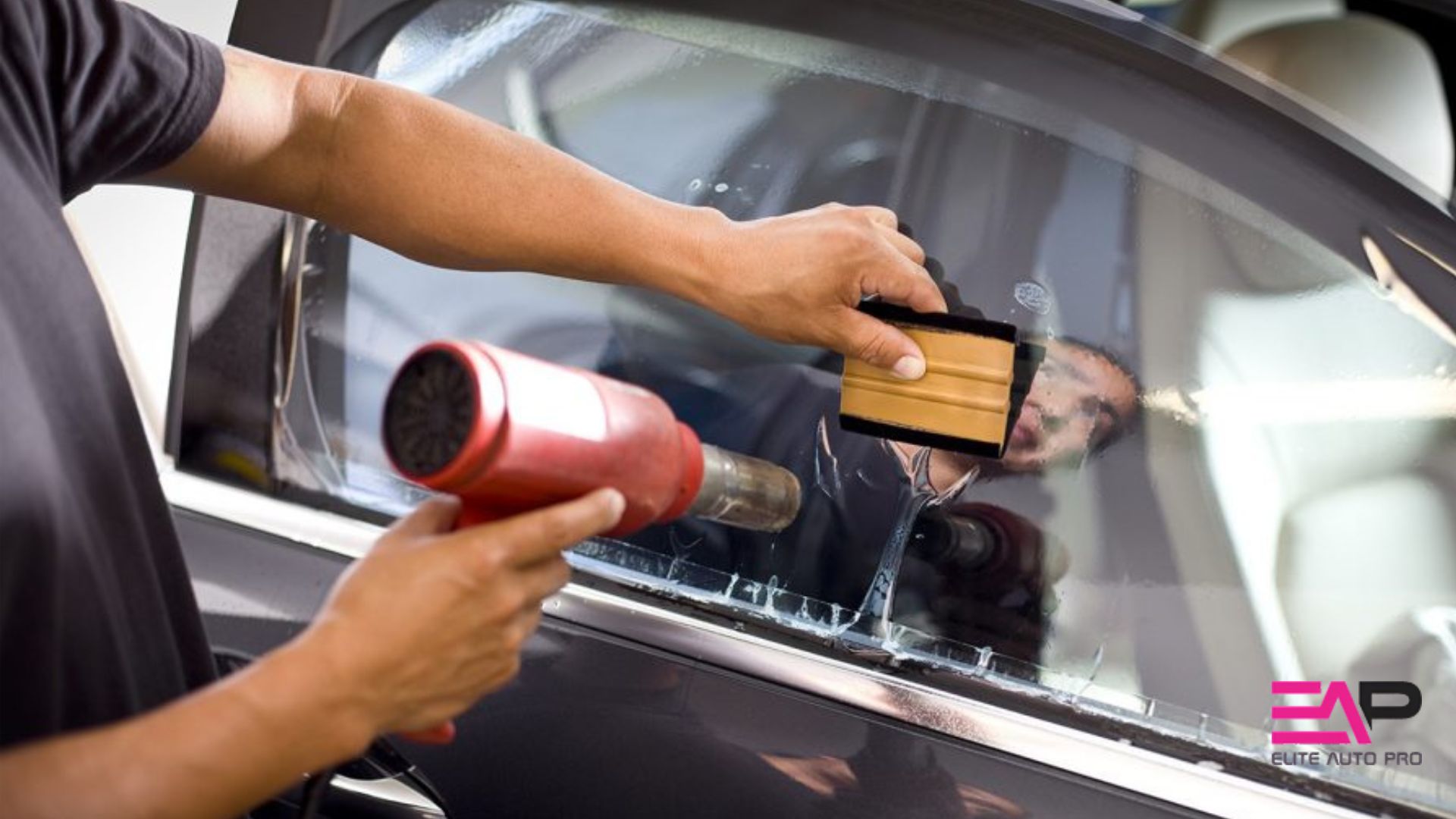
Also important: the best ceramic window tint in the world won’t last long if the installation is rushed. Proper prep, clean glass, correct film shrinking, and clean edge work matter just as much as the film itself. That’s why professional window tinting makes such a difference in long-term results.
Sign #1: Bubbling, Blistering, or Air Pockets Under the Film
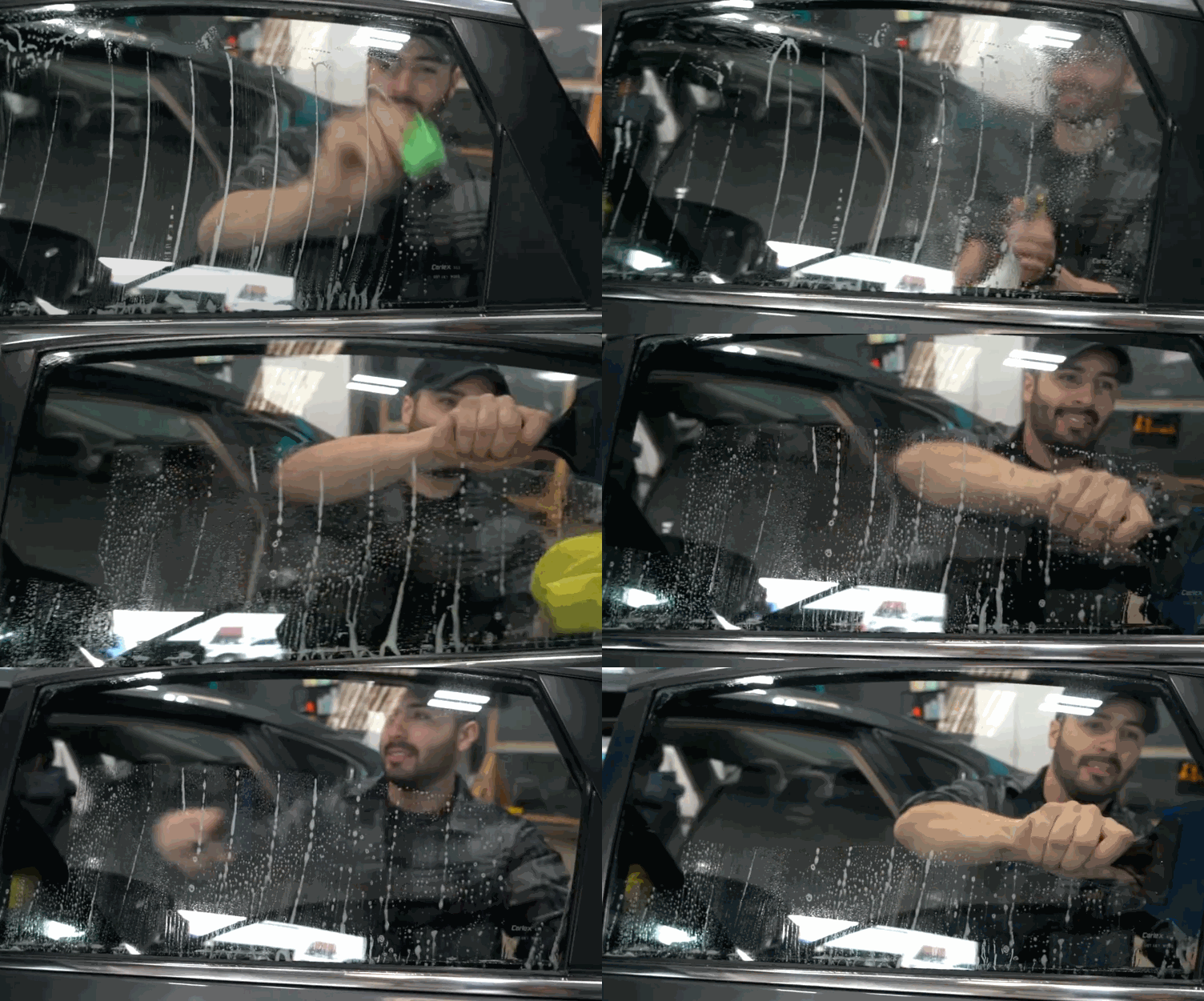
One of the most obvious signs your tint needs replacement is bubbling, blistering, or trapped air pockets between the glass and the film. If you see little round bubbles, ripples, or “raised” areas, that’s typically the adhesive starting to fail.
At first, bubbling can look minor, almost like a small cosmetic issue. But the reality is that it gets worse, because once the adhesive starts separating from the glass, heat expands the problem. In Colorado Springs, cars can go from freezing temperatures overnight to strong midday sun fairly quickly, and that constant expansion/contraction accelerates film separation.
Here are the most common reasons bubbling happens:
- Adhesive breakdown from UV and heat exposure
- Moisture intrusion along edges, especially after winters and frequent defroster use
- Poor surface prep during installation (contaminants trapped under the film)
- Low-grade film material that doesn’t hold up long-term
This isn’t just about looks. Bubbling affects visibility, especially when the sun hits it at the wrong angle, and it weakens the film so it’s more likely to peel or tear. If you’re seeing bubbling tint, it’s usually a sign you’re already in the “replacement zone,” not the “repair zone.”
Sign #2: Purple or Faded Tint Color (Film Oxidation)
When tint starts shifting into a purple tone or looks faded and uneven, that’s typically oxidation and UV damage taking effect. It’s especially common with older dyed films, which were never designed for long-term UV stability in intense sunlight conditions.
In Colorado Springs, the UV exposure is no joke, and at higher altitudes the sun can be more aggressive on materials than people expect. Over time, the tint’s dyes and protective layers degrade, and the film stops looking uniform. You may notice the tint going purple, or certain windows fading more than others depending on sun exposure.
More importantly, when tint fades, it’s usually a sign that the performance has dropped too. That means the film may no longer be filtering:
- UV rays as effectively
- Heat and infrared energy (less cabin comfort)
- Glare the way it used to
So even if the tint still “looks dark,” it might not be working the way proper window tinting should. This is one of those cases where appearance and performance fail together, and it often sneaks up on people.
Sign #3: Peeling Edges or Tint Lifting Around Corners
Peeling edges are another major sign that your tint is reaching the end of its life. Usually it starts at corners, the top edge of the window, or near the edges where people clean aggressively. In some cases, it begins around the rear glass near defroster lines, where the film experiences extra stress and heat cycles.
Once tint starts lifting, it becomes a magnet for dust, lint, and moisture. That makes it look messy quickly and also makes the problem spread. The adhesive can’t “re-stick” properly once it’s contaminated, so replacement becomes the only real option.
Peeling tint causes several practical issues:
- It blocks clean visibility in the corners or edges of the window
- It looks sloppy and can make the vehicle appear neglected
- It creates spots where moisture and dirt get trapped
- It increases the chance of full film separation
If you’re seeing tint lifting, it’s not something to ignore. It usually means the film has lost its bond, and the longer you wait, the more difficult removal can become.
Sign #4: Haze, Cloudiness, or Distorted Visibility
This is one of the most overlooked signs that your window tint is ready for replacement, because people often confuse it with normal glare. Every driver deals with glare, especially at sunrise and sunset, but tint-related distortion is different. It doesn’t feel like light reflecting off the road, it feels like your glass isn’t “clean” even when it is.
A good way to describe it is this: glare is external, distortion is in the window.
With haze, cloudiness, or a warped look in the tint, your windows may appear slightly fogged, milky, or uneven, especially when headlights hit at the right angle. Some drivers notice it during the day, but it becomes a much bigger issue at night, particularly on rainy evenings in Colorado Springs when the road is already reflective and visibility is naturally reduced.
This is where it becomes a safety problem, not just a cosmetic one. Poor tint visibility can make it harder to judge distance, spot pedestrians, see cyclists, or react quickly on darker roads. And if you’ve driven anywhere around Powers Blvd, Academy, or I-25 at night when traffic is heavy and headlights are constant, you already know how much visibility matters.
Here’s where tint haze usually causes trouble:
- Headlights look starburst-like or “smeared” instead of sharp
- Rain + glare becomes harder to manage
- Nighttime driving visibility decreases, especially in side windows
- Certain angles look distorted, almost like ripples in glass
And no, this usually isn’t something you can scrub off. Many people try cleaning more aggressively thinking it’s residue, but haze is typically caused by breakdown inside the film layers or adhesive issues that create that cloudy appearance. Once the film becomes a hazy tint or blurry window tint, replacement is almost always the solution, not cleaning.
Sign #5: Scratches, Scuffs, or Noticeable Wear Marks
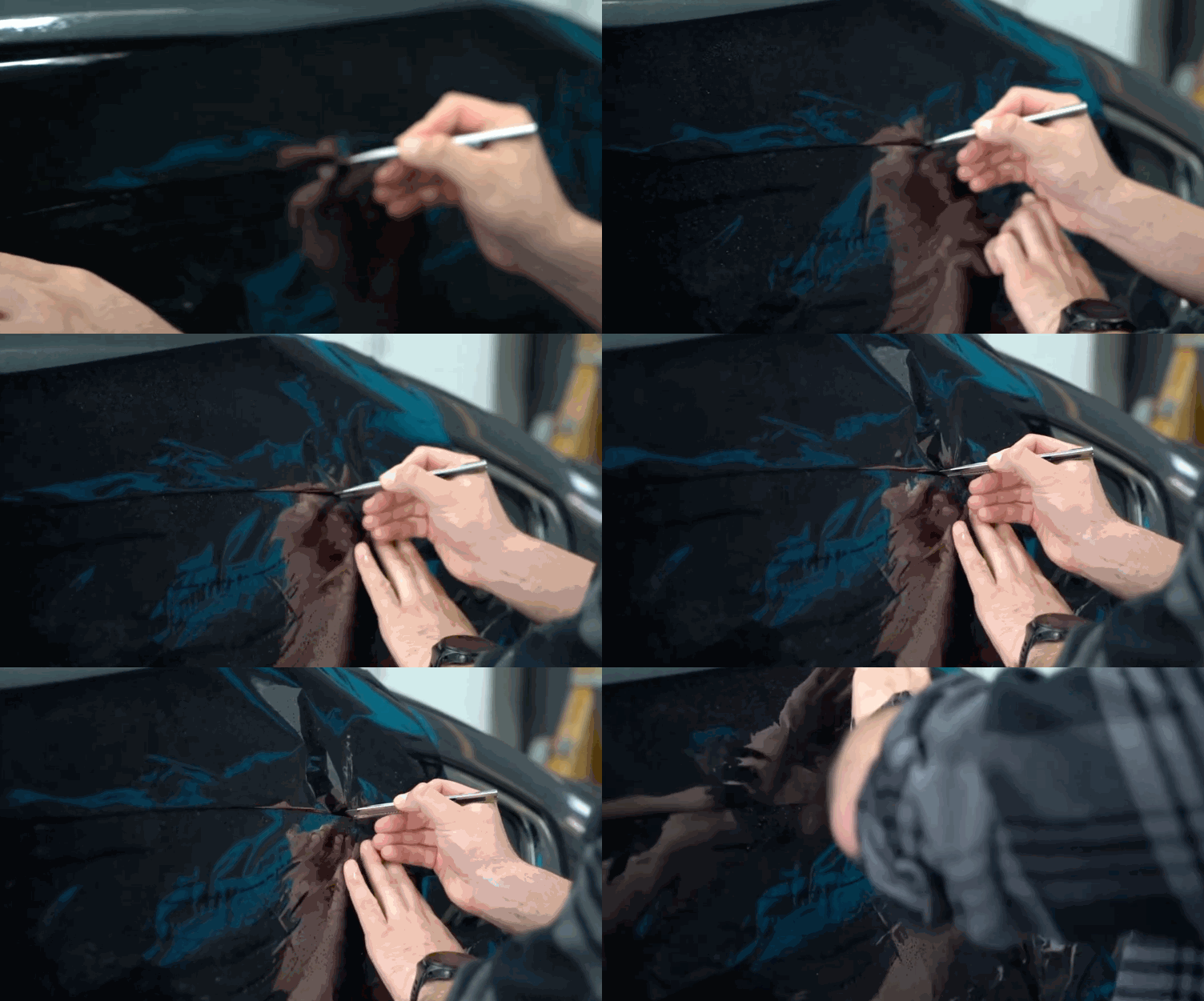
Scratches and wear marks might seem minor at first, but they add up quickly and they can completely change how your window tinting looks and performs. Unlike factory glass, tint film is still a surface that can be damaged, especially if it’s an older film or lower-quality material that scratches easier.
We see this a lot in real-world daily driving situations because scratches don’t come from “accidents,” they come from normal use:
- Seatbelts snapping back and brushing the film
- Dogs leaning on windows or scratching with nails
- Window contact (especially when windows are rolled down and dust gets trapped)
- Frequent cleaning with rough paper towels or harsh products
When tint becomes scratched, it creates tiny lines or scuffs that catch sunlight. So even if the tint still blocks light, those marks scatter glare in a way that makes the glass harder to see through. It’s the same reason scratched sunglasses are annoying, especially when the sun hits them directly.
In bright Colorado Springs sunlight, scratched tint can become even more distracting because that intense light makes imperfections stand out. If you’re constantly noticing lines, scuffs, or a worn look, that’s a strong sign your tint is no longer giving you the clean visibility it should.
Why Cheap Tint Replacement Can Create Bigger Problems Later
When tint fails, it’s tempting to look for the cheapest replacement option just to “make it look good again.” We understand it, but cheap tint is one of those decisions that often costs more later, not less.
Low-grade tint usually creates the same cycle:
Short lifespan, faster fading, bubbling again, and repeated replacements.
You might save money upfront, but you usually end up doing the job twice. And the biggest frustration isn’t even the film itself, it’s what comes with rushed installs and budget-level workmanship.
Here’s what can go wrong with cheap tint replacement:
- Film fades faster and turns purple sooner
- Adhesive breaks down quicker, leading to bubbling
- Edges lift early, especially in heat/cold cycles
- Visible seams or uneven cuts make the tint look sloppy
- Contamination under the film creates haze and bumps
At that point, tint replacement stops being a one-time fix and becomes a recurring problem.
That’s why we always recommend thinking of replacement as a value decision, not just a cosmetic decision. You’re paying for better performance and fewer future headaches. And in a place like Colorado Springs, where UV exposure and weather swings are tough on materials, quality really matters.
At Elite Auto Pro, we take the replacement process seriously because long-term durability depends on the prep work. We focus on clean glass preparation, correct film selection for your driving needs, and consistent installation standards so Colorado Springs drivers get tint that actually lasts. If you’re comparing options, don’t just ask “how much,” ask what film is being installed and how the installation is performed.
Conclusion: When in Doubt, Get It Checked (And Replace It the Right Way)
If your tint is bubbling, fading, peeling, turning cloudy, getting scratched, or you’re simply noticing more heat inside the cabin than you used to, your tint is giving you clear signs that it’s time. These issues don’t usually improve, they usually spread, and the longer they go on, the worse the visibility and appearance get.
Replacing failing tint isn’t just about making the car look better, it’s about restoring comfort, clarity, and safety. Fresh window tinting improves night visibility, reduces glare, blocks UV exposure, and helps your vehicle feel more comfortable year-round in Colorado Springs conditions.
If you’re noticing any of these signs and you want an honest opinion, reach out to Elite Auto Pro in Colorado Springs. We can inspect your tint, remove it safely, and install new high-quality window tint that’s built to last. Contact us today for a professional tint replacement quote and let’s get your car looking right again.