Every week at Elite Auto Pro we meet drivers dealing with Colorado Springs weather patterns that are tough on paint. High altitude UV exposure, sudden cold snaps and dust from the foothills age the clear coat rapidly. Anyone who parks outdoors near Garden of the Gods or downtown has seen paint fade faster than expected.
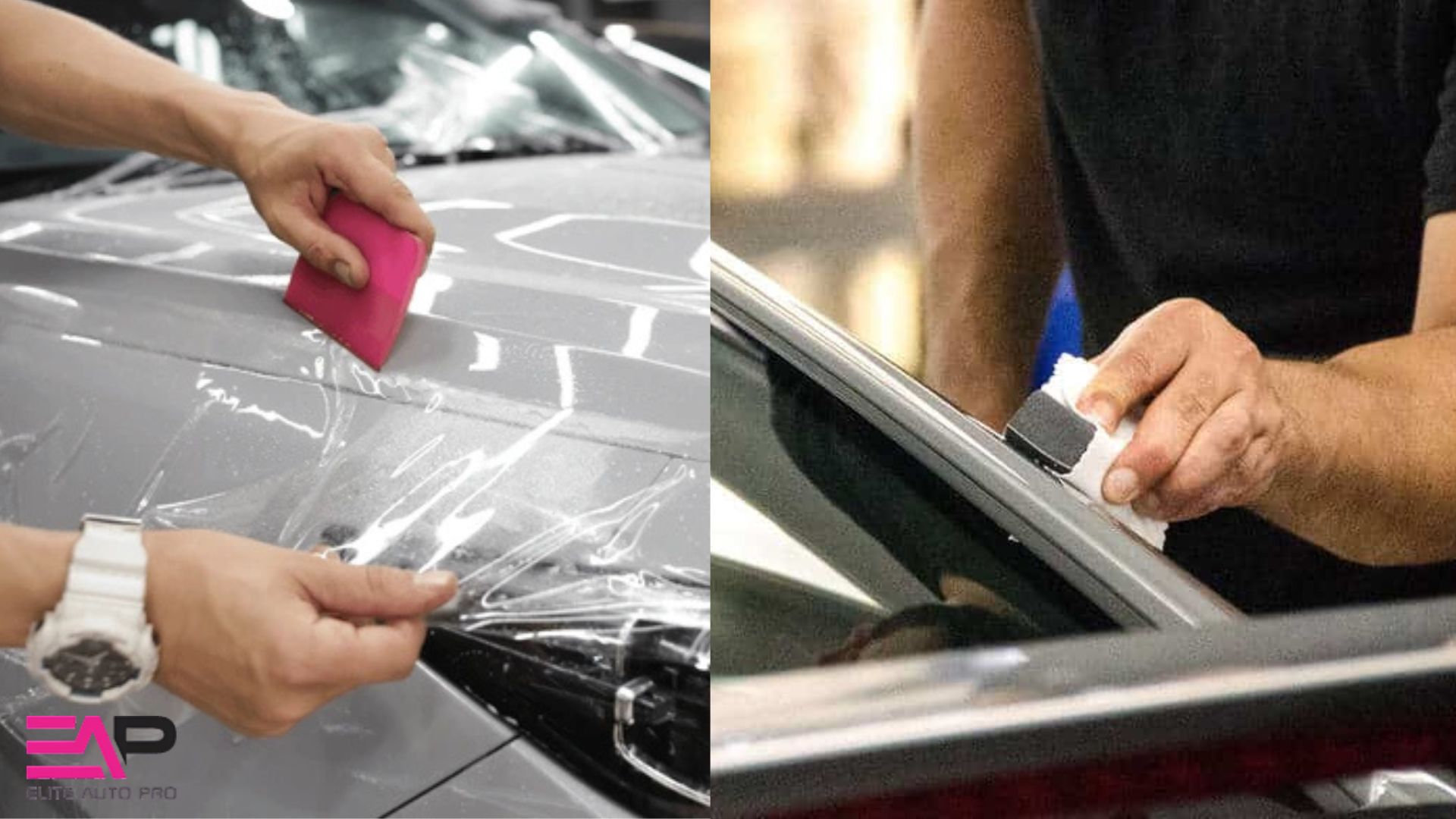
Ceramic coating and paint protection film are the two most effective forms of exterior protection for daily use. ceramic coating focuses on shine and easier cleaning, while paint protection film gives physical impact defense. With professional PPF installation, vehicles resist road debris, gravel and winter sand far better than unprotected paint.
Understanding Ceramic Coating
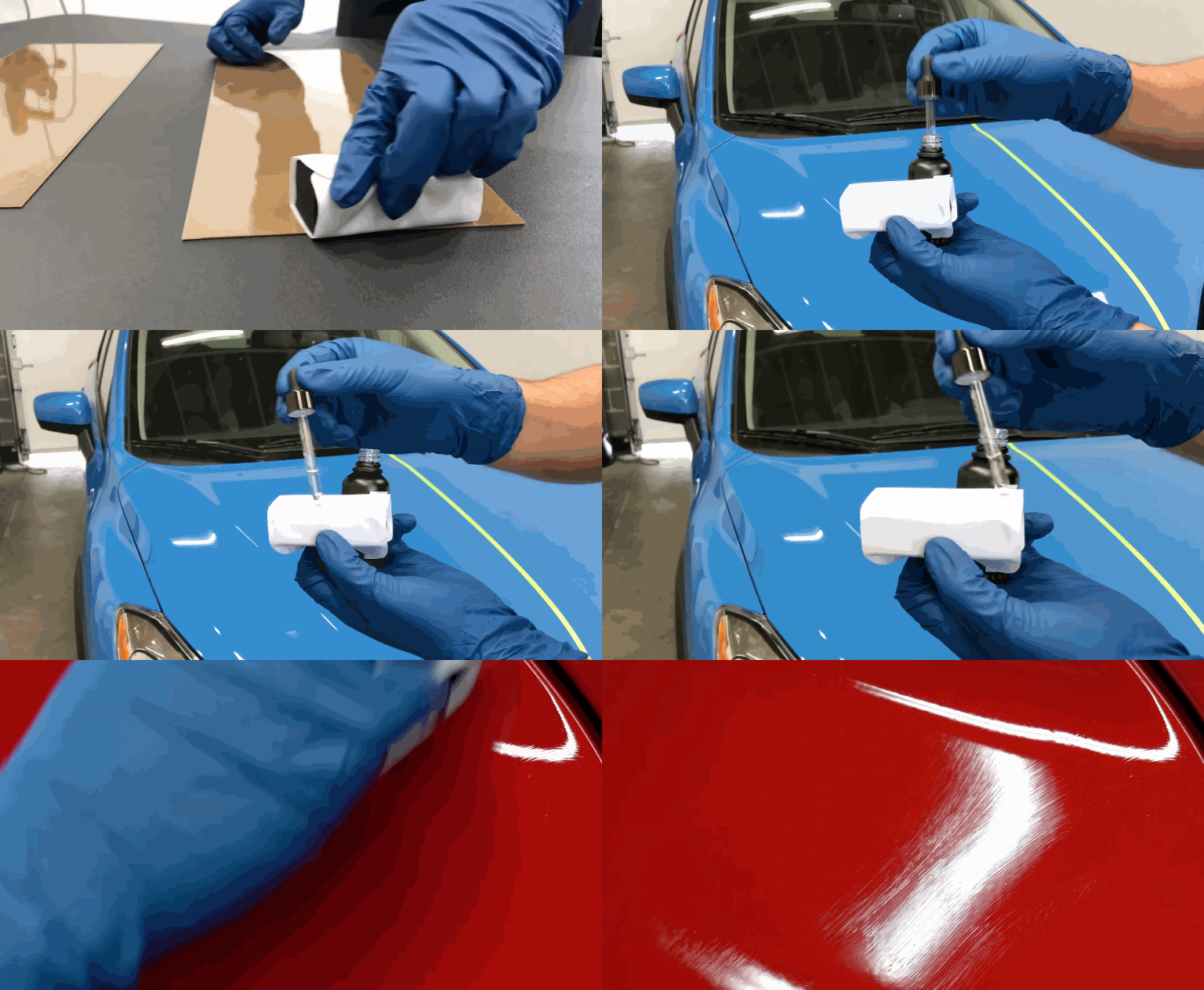
Ceramic coating bonds to your clear coat and builds a strong protective layer that slows oxidation, fading and surface staining. Paint stays deeper in color and smoother to the touch, even under intense sun exposure at elevation. Washing becomes easier because dust and grime do not cling the same way.
One of the most appreciated features is its hydrophobic behavior. Water beads off the surface, taking loose dirt with it. For daily drivers in Colorado Springs this means less scrubbing, fewer swirl marks and a finish that holds up visually through changing weather.
- Long term high gloss finish
- Hydrophobic surface that repels water
- UV resistance suited for Colorado elevation sun
- Less staining and paint oxidation over time
Understanding Paint Protection Film
Paint protection film is a thicker urethane material designed to absorb impact. Instead of resisting scratches like ceramic coating, it physically stops rock chips, gravel and winter road sand from contacting paint. This makes it the strongest real world protection available for daily commuting routes like I 25 and Highway 24.
During PPF installation we apply film to high strike zones first. Hood, bumper, fenders, mirrors and rocker panels take the brunt of road debris. With PPF covering these areas, damage is absorbed by the film instead of the factory clear coat beneath.
- Thicker protective barrier for impact resistance
- Self healing surface for light scratches
- Ideal for high strike panels like bumper and hood
- Prevents paint chips, abrasions and etching
Where Ceramic Coating Performs Best
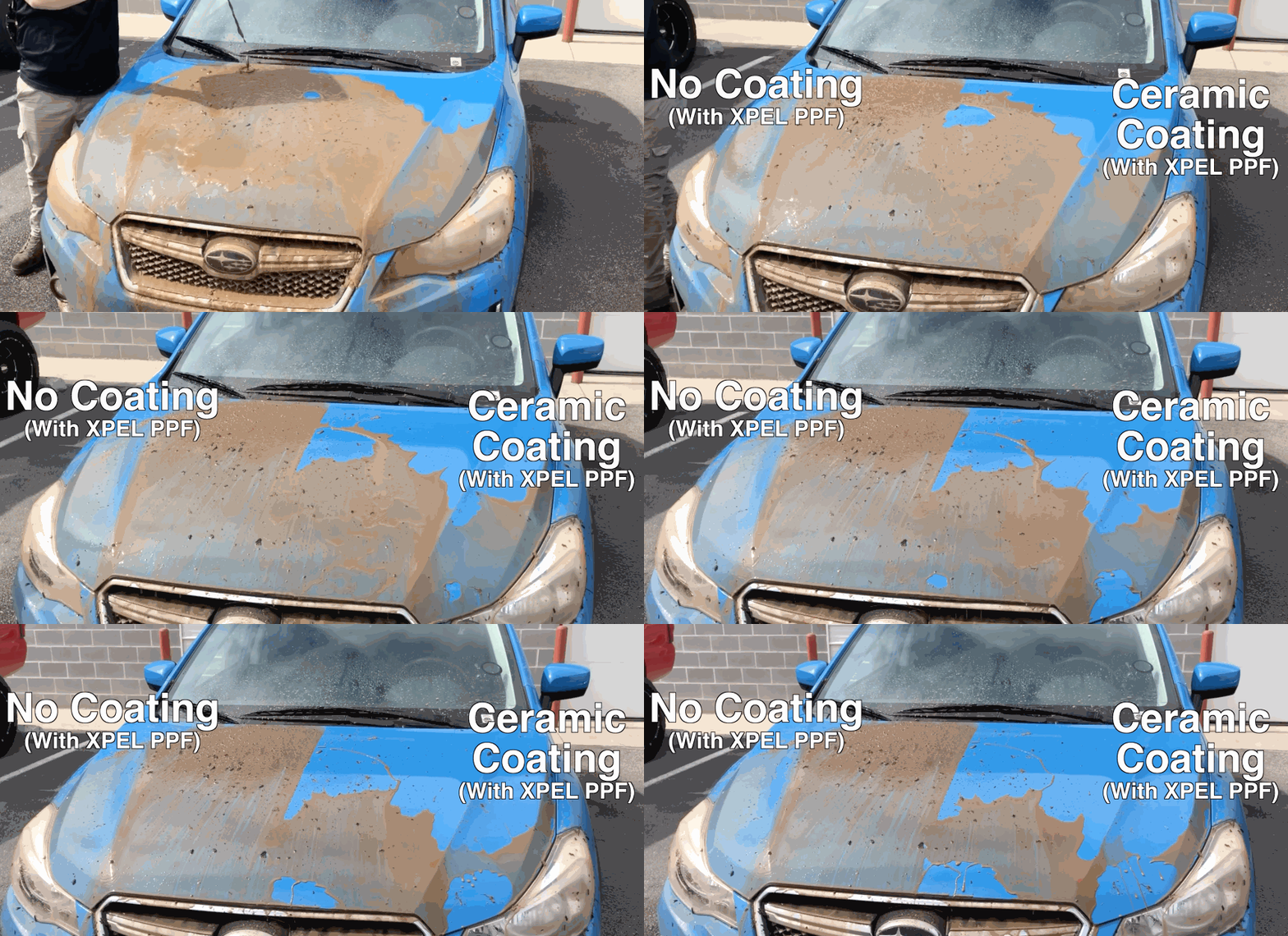
Ceramic coating performs best when appearance and convenience take priority. The main appeal is visual: a deep gloss that stays bright even after spring dust storms or fall pollen sweeps through the city. Colorado Springs has a dry climate for much of the year, which means contaminants sit loose on the surface rather than sticking. With ceramic coating in place, a simple rinse usually clears the paint instead of needing soap, scrubbing or a full bucket wash.
Drivers who commute I Twenty Five and North Academy experience the benefit most clearly. Road film tends to collect fastest on high traffic corridors, especially after snow melt or windy days, but coated paint repels it instead of absorbing it. Water glides across the surface instead of clinging, and dirt rolls with it. The difference is visible after only a few weeks of use. Dark paint stays rich instead of chalky. Light paint resists the yellowing effect of UV exposure. The overall finish ages slower, which protects resale value for people who plan to keep a vehicle only two to four years before upgrading.
Maintenance is simple. Occasional hand washes keep the hydrophobic layer functioning, and light top-up applications maintain peak performance. Ceramic coating is for someone who values shine, wants to see reflections in their paint, and prefers a vehicle that looks freshly detailed without spending weekends washing it. If the goal is style, cleanliness and long term clarity, ceramic coating is often the better match.
Where Paint Protection Film Outperforms Coating
Paint protection film outperforms ceramic coating whenever physical impact is part of everyday driving. Colorado Springs roads see heavy gravel distribution during winter, and snow plows often leave small stone fragments along the shoulders that later scatter into traffic. Sand used on icy mornings becomes airborne at highway speeds. Ceramic coating cannot stop that impact, but PPF channels the strike into the film layer, protecting paint beneath.
This matters most for residents driving through areas like Mountain Shadows, Black Forest and developing zones around Powers Boulevard, where construction vehicles and resurfaced sections leave loose debris behind. Front bumpers and hoods take the most abuse, followed by fenders, rocker panels and mirrors. With paint protection film installation service applied to these impact-heavy panels, damage reduces dramatically. Instead of chips and pitting, only the outer layer marks — and many surface scratches self-heal with warmth from the sun.
Drivers who regularly visit Cheyenne Mountain, Woodland Park or the Air Force Academy notice the durability difference immediately. When rocks come off an elevated shoulder, PPF absorbs the hit and the trip continues without worry. It is the option built for long term preservation, high mileage, and harsh Colorado roadway conditions.
Cost, Lifespan and Maintenance Reality

Ceramic coating offers lower initial cost and impressive visual improvement. It lasts for years when maintained properly, although the hydrophobic layer can weaken over time and may require renewal depending on exposure and washing habits. Shine, clarity and easy cleaning remain its strongest advantages.
Paint protection film costs more up front but survives harsh conditions longer. Colorado freeze thaw cycles and road salt do not break PPF down as quickly, which makes it one of the most durable protection choices for daily commuting.
- Longer lifespan in winter road environments
- Better resistance to chips, salt and sand
- Lower repaint likelihood long term
- Strong value for vehicles driven year round
Elite Auto Pro guides drivers to whichever option fits their use pattern best, not a single solution for everyone.
Choosing Between Ceramic Coating and PPF Based on Driving Style
Many Colorado Springs drivers fall into one of two groups. Those who want their vehicle to stay clean with less effort, and those who need protection from rock chips and rough road conditions. The right choice depends on which one sounds more like your everyday routine.
If most of your driving happens downtown, through neighborhoods, or in moderate traffic, ceramic coating offers the biggest visual payoff. Gloss stays high, washing is easier, and the car looks newer for longer. It suits people who park outdoors at work, attend events near Old Colorado City, or use their car as a true daily companion.
Weekend drivers who explore Woodland Park, take State Highway 67, or climb toward the mountains often benefit more from paint protection film. Road debris increases as elevation rises, and rock fragments found on shoulder edges can strike the vehicle at any time. PPF prevents that damage, making it a better choice when miles and terrain become unpredictable.
Some drivers even choose both. Ceramic coating for shine and easier washing, paint protection film for impact zones like hood and bumper. It comes down to how hard the road is on your vehicle and how you expect it to hold up over the years.
Why Local PPF Installation and Coating Expertise Matters
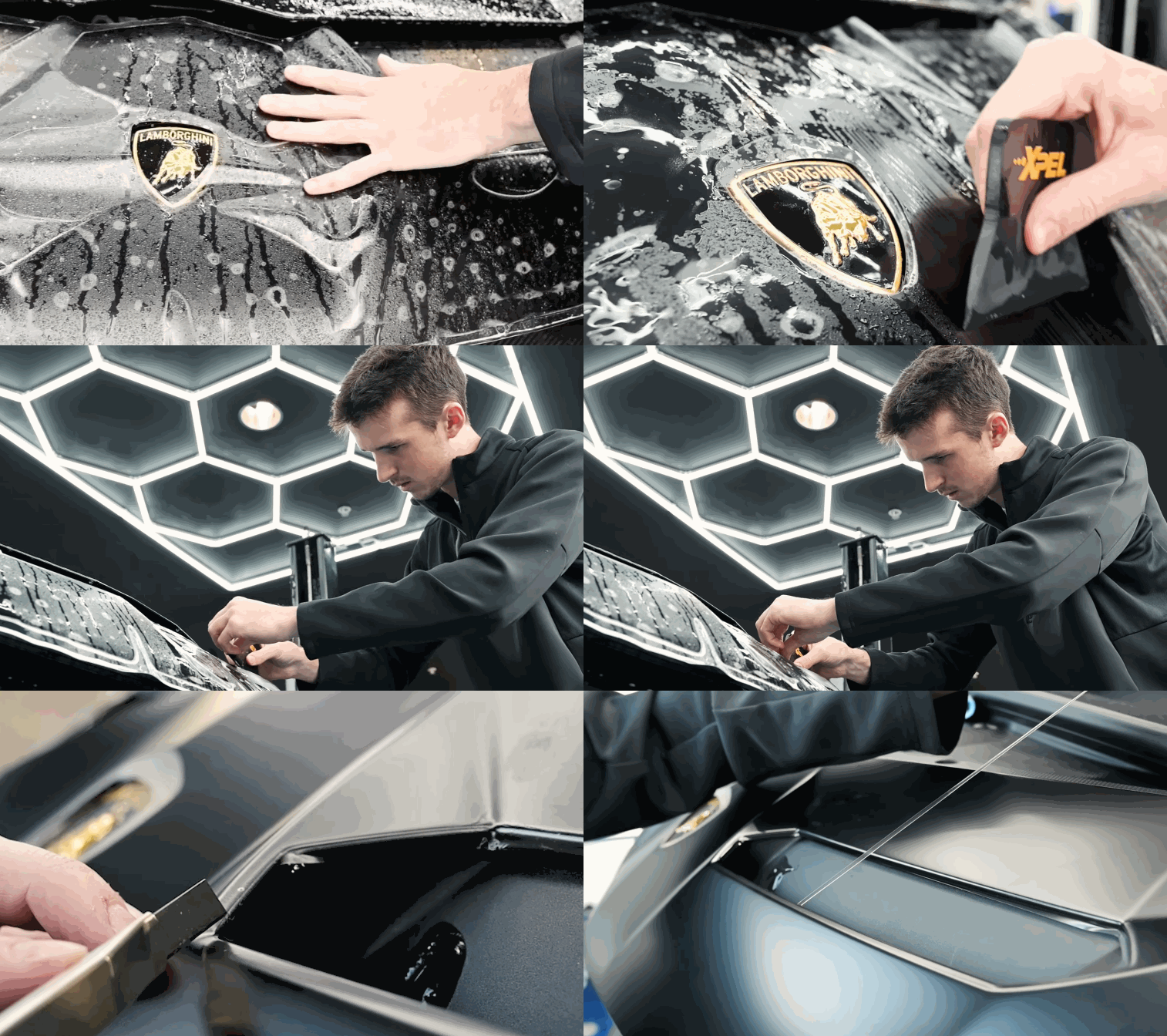
Proper installation affects results more than most people realize. The products themselves are only part of the outcome.
Elite Auto Pro prepares paint carefully before ceramic coating service or PPF installation. Surface correction removes defects, precision preparation ensures no dirt or trapped moisture remains, and controlled environment application keeps film bonded cleanly. Our team works with Colorado Springs vehicles year round, which means we understand temperature shifts, altitude UV levels, and the realities of long distance driving.
Local knowledge matters because protection needs here are not the same as other cities. We apply products with the climate, the roads, and the driver in mind.
Gloss, Protection and Real World Scenarios in Colorado Springs
Daily driving here is never predictable. Sun one day, sudden sleet the next, followed by airborne dust when the wind lifts from the foothills. Protection is not about perfection. it is about staying ahead of what the road throws at you. Ceramic coating helps when you want the vehicle to look detailed even after a rough week. PPF helps when your route fights back.
Situations where Colorado drivers notice the difference:
- Long drives to Woodland Park on weekends, where gravel often scatters behind trucks
- Parking outdoors near Garden of the Gods where UV intensity is stronger at elevation
- Winter commuting on I Twenty Five when sand and small stones hit the front bumper
- Cars stored outside at home instead of inside a garage
Ceramic coating keeps paint visually sharp through most of those conditions, but only paint protection film stops the physical impact. That is why so many Colorado Springs drivers end up choosing one or both. The decision is less about trends and more about what you expect from your vehicle long term. A little shine makes ownership satisfying. A layer of defense makes it last.
Conclusion
Ceramic coating and paint protection film both serve a purpose. One keeps paint glossy and easy to maintain. The other shields against physical impact and road hazard damage. The better option depends on where you drive, how often you drive, and how much long term defense you expect from your vehicle.
Drivers in Colorado Springs can ask Elite Auto Pro for guidance, a comparison, or a full evaluation. Whether the goal is shine, durability, or both, we help match the right service to the way a vehicle is used every day.